
Guides · For associations and federations
General meeting of an association
The general meeting is the supreme body of an association (Art. 64 CC). It elects the board and decides on all matters that the articles of association do not assign to another body (Art. 65 CC). The German text of the Civil Code calls it Vereinsversammlung; associations also speak of the annual general meeting (AGM) or the members’ meeting. This guide shows what the Swiss Civil Code requires, what you should check in your articles of association and how the meeting runs.


What association law requires
Association law is set out in Art. 60 to 79 CC. Where the articles of association are silent, the law applies (Art. 63 CC). The individual agenda items are explained in the guide Agenda, with a Word template. If delegates vote in your organisation, see the guide Organising a delegates’ assembly.
| Rule | Law |
|---|---|
| The board calls the meeting. | Art. 64 para. 2 CC |
| If one fifth of the members request a meeting, the board must call it. | Art. 64 para. 3 CC |
| If all members agree to a motion in writing, this is equivalent to a resolution of the meeting. | Art. 66 para. 2 CC |
| All members have equal voting rights. | Art. 67 para. 1 CC |
| Resolutions require a majority of the votes of the members present. | Art. 67 para. 2 CC |
| Matters that have not been duly announced may only be decided if the articles of association expressly allow it. | Art. 67 para. 3 CC |
| In a legal transaction or dispute with the association, the member concerned does not vote; the same applies if their spouse or a person related to them in direct line is concerned. | Art. 68 CC |
The Civil Code says nothing about the notice period and form of the notice of meeting, the deadline for motions, a minimum number of members present, proxies, a casting vote, online participation or the minutes. Where these points are regulated at all, it is in the articles of association. The following sections explain what applies if the articles are silent.
Preparation timeline
The times are guidelines; the deadlines in your articles of association are what count.
| When | What |
|---|---|
| 6 to 12 months before | Set the date, book the room, check the articles of association for deadlines and majorities |
| 3 to 4 months before | Find candidates for vacant offices, remind members of the deadline for motions |
| after the end of the association’s year | Close the annual accounts and have them audited, prepare the annual report and budget |
| before sending the notice | The deadline for motions has passed, the board approves the agenda items, motions and documents |
| as set out in the articles | Send the notice of meeting with the agenda and documents |
| 1 to 2 weeks before | Prepare the attendance list, voting cards and ballot papers, ask the tellers and a chair for the day |
| after the meeting | Send out the minutes, implement the resolutions |
Notice and deadlines
Notice period. The articles of association usually state how far in advance the notice of meeting must be sent. If there is no notice period, the notice must arrive early enough for members to attend and prepare. Two to three weeks is usual.
Form. Whether the notice is sent by letter, by email or in the association’s newsletter is determined by the articles of association or by past practice. All members must be informed in good time. Switching from letters to email without a basis in the articles of association risks a challenge if not all members receive the notice.
Content. The notice of meeting should include:
- date, start time and venue
- all agenda items, described clearly enough for members to understand their significance
- the board’s motions and any amendments to the articles of association in full, ideally with the old and new wording side by side
- documents such as the annual report, annual accounts, auditors’ report and budget
If a member is to be expelled, their name must appear on the agenda. A template for the notice of the ordinary general meeting can be found in the guide Agenda.
Motions from members
Every member can submit motions. A member who wants to put a new matter on the agenda submits the motion to the board within the deadline set by the articles of association. Counter-motions and amendments to an announced agenda item can also be made at the meeting itself, for example a motion not to increase the membership fee. The deadline for motions does not apply to them.
The law does not require any particular form, but the articles of association may prescribe one. The clearest option is a written motion with a short justification, worded so that it can be voted on with yes or no. It is practical if the deadline for motions expires before the notice of meeting is sent. All motions are then included in the notice. You will find a template below.
Extraordinary general meeting
In addition to the ordinary meeting, usually held once a year, the board can call an extraordinary general meeting (EGM), for example for a by-election or an urgent amendment to the articles of association.
One fifth of the members
If one fifth of the members request a meeting, the board must call it (Art. 64 para. 3 CC). The articles of association can lower this threshold, but not raise it (Art. 63 para. 2 CC).
The request
The law does not prescribe any form. However, a written request stating the agenda item, the motion and the names of the members supporting it shows whether one fifth has been reached.
Only what has been announced
Here, too, decisions may only be taken on matters listed in the notice of meeting. You will find a template for the notice below.
How the general meeting runs
The business of the meeting is set out in the agenda. In addition, there are the following steps.
1
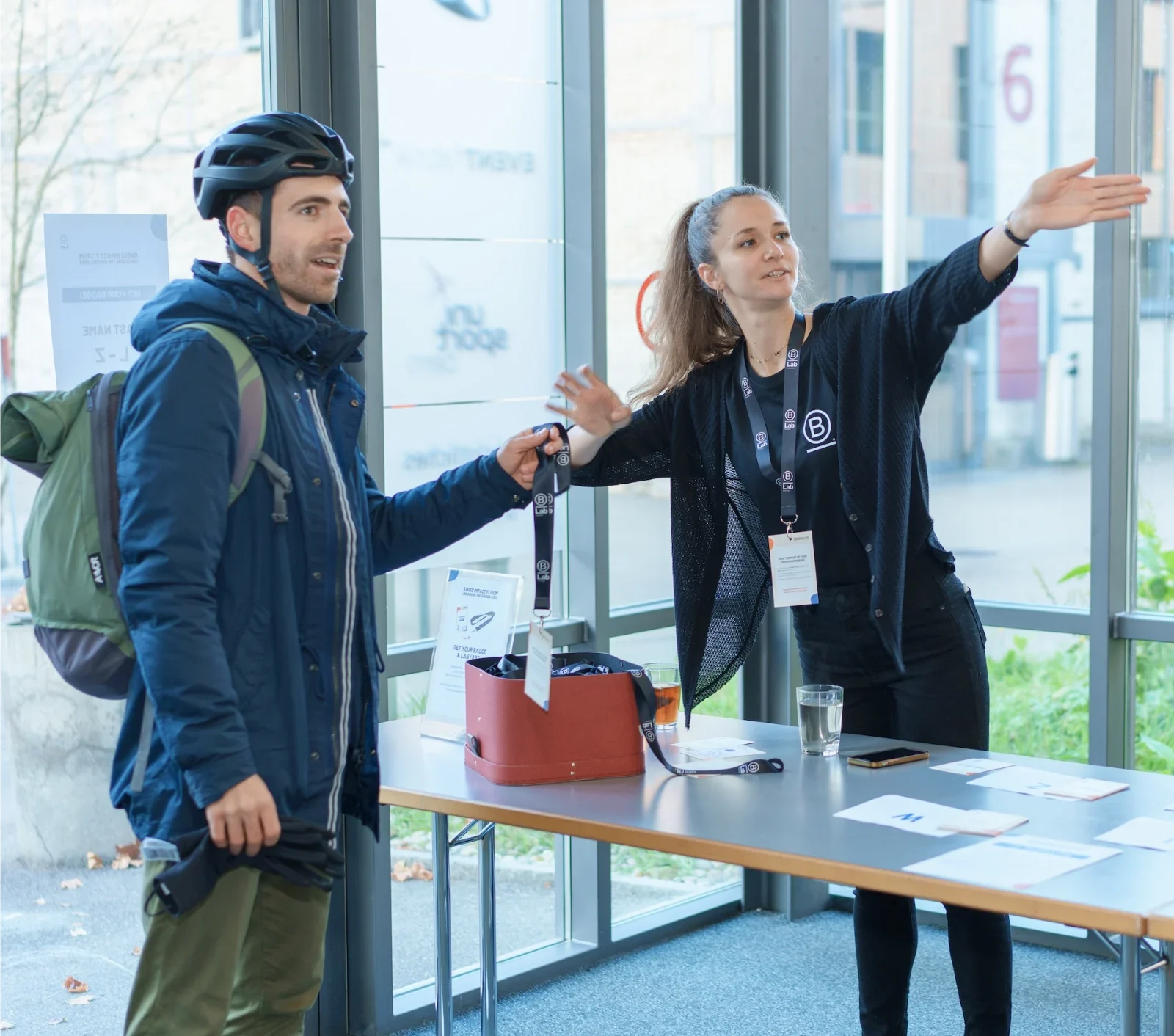
Registration. Members sign the attendance list and receive their voting card and documents. Guests without voting rights sit in separate seats.
2
Opening. The chair of the meeting confirms that the meeting was called in accordance with the articles of association and states the number of members entitled to vote and the absolute majority.
3
Quorum. The law does not require a minimum number of members present. If the articles of association provide for a quorum, the chair checks whether it has been reached. If not, often the only option is to postpone the meeting.
4
Tellers. They are elected at the start, together with a chair for the day if needed.
5
Discussion. Every member may speak. Speakers are given a microphone so that everyone can hear the contributions. Procedural motions, for example for a secret ballot, can be made at any time. They are voted on immediately.
6
Voting. If there are several motions, amendments and counter-motions are voted on first and the main motion last.
7
Close. Under “Any other business”, there is information and dates, but no resolutions.
Large halls need several tellers, ideally one person per seating block, and at least two floor microphones. The guide Seating styles shows which seating arrangement fits.

Votes and elections
The articles of association determine which majority applies. If there is no rule, a resolution requires a majority of the votes of the members present (Art. 67 para. 2 CC). The terms are not used in the same way everywhere. Here they mean the following.
- Absolute majority. More than half of those present vote yes. Abstentions and invalid votes are counted and have the same effect as a no. According to the wording of the law, this majority applies unless the articles of association say otherwise.
- Simple majority. More yes votes than no votes; abstentions are not counted. The articles of association often provide for this majority.
- Qualified majority. A higher threshold, for example two thirds of those present, often for amendments to the articles of association.
| Rule | required | Result |
|---|---|---|
| absolute majority | 61 yes | rejected |
| simple majority | more yes than no | carried |
| two thirds of those present | 80 yes | rejected |
Depending on the rule, the same motion is carried or rejected. So check in advance what your articles of association say.
Tied vote. Without a majority, a motion is rejected. The chair only has a casting vote if the articles of association provide for it or if it is established practice in the association.
Open or secret ballot. In an association, open voting is the norm. A secret ballot is held if the articles of association provide for it or if the meeting accepts a procedural motion to that effect.
Elections. The law does not prescribe a procedure. Candidates do not have to be named in the notice of meeting; further candidates can be nominated at the meeting. If the board is elected as a whole, any member can request individual elections. If the chair is standing for election, the deputy or a chair for the day conducts this election. In the second round, a relative majority is often sufficient: whoever receives the most votes is elected.
Conflicts of interest and proxies. If, for example, the association wants to rent premises from a member, that member does not vote on it (Art. 68 CC). When the board is discharged, board members usually do not vote. A member may only be represented by a proxy if the articles of association allow it.
Minutes. Association law does not require minutes, but they record attendance, resolutions and elections. A member who did not agree to a resolution that violates the law or the articles of association can challenge it in court within one month of becoming aware of it (Art. 75 CC). What belongs in the minutes and who signs them is explained in the guide Minutes template.
Online or hybrid general meeting
The Civil Code does not regulate online meetings. The exception from the Covid period (Art. 27 COVID-19 Ordinance 3) has no longer applied since 1 January 2023. An online or hybrid general meeting is therefore only permitted if the articles of association expressly allow it.
In that case, all members need documents and access details in good time. In addition to picture and sound, there must be a procedure that allows participants to identify themselves, speak and vote. For companies limited by shares and cooperatives, the Code of Obligations prescribes these points (Art. 701e and 893a CO). This does not apply directly to associations, but it is still useful as a checklist.
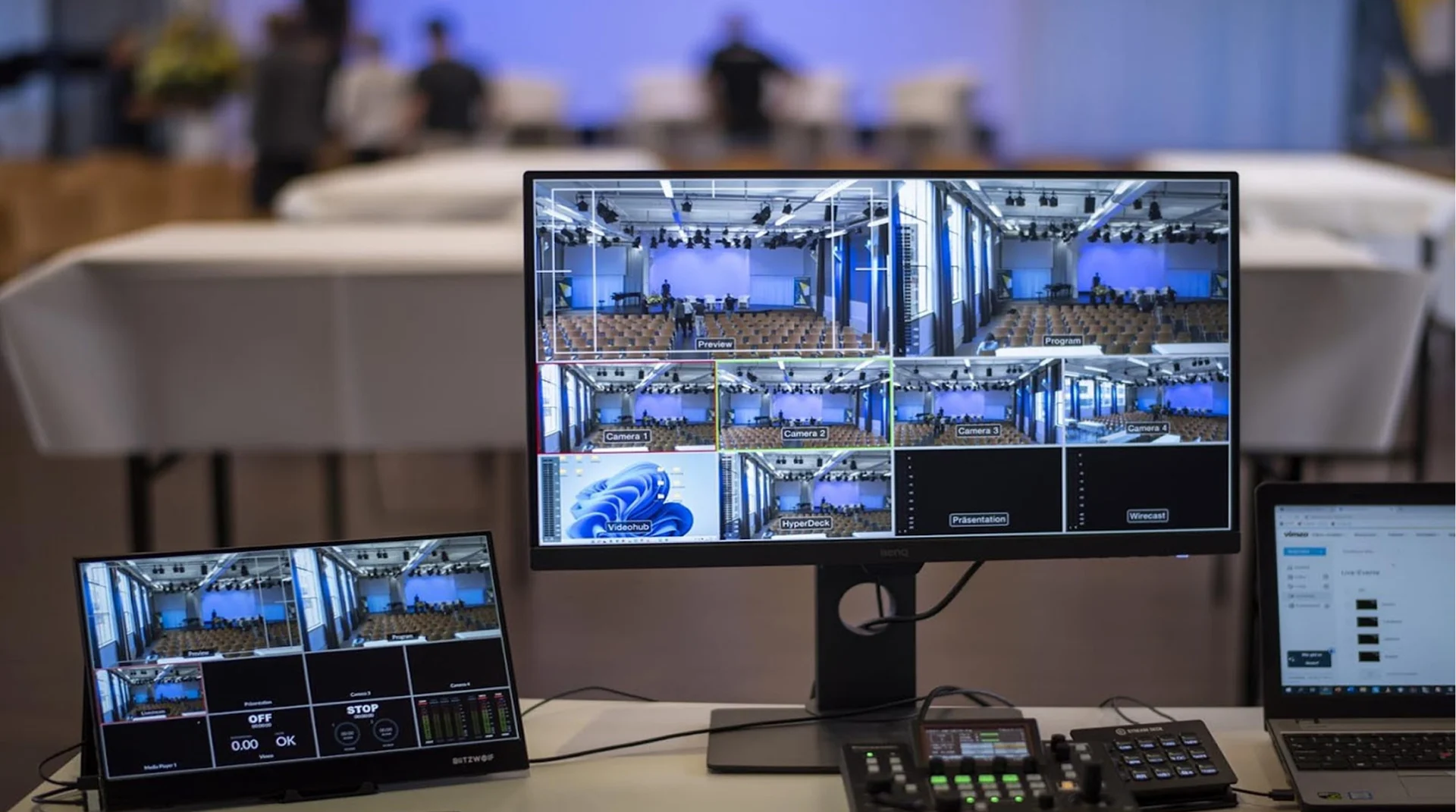
At Eventforum Bern, the technology for livestreaming and hybrid meetings is on site. Livestreaming and hybrid are separate services, quoted separately. Your association determines the procedure for participation and voting. More on the page Hybrid and livestreaming.
Template: motion to the general meeting
Replace the details in square brackets and submit the motion within the deadline set by the articles of association.
Motion to the general meeting
[First name Last name], [address or email]
To the board of [name of the association]
[Place], [date]
Dear members of the board
I submit the following motion to the general meeting of [date] and ask you to place it on the agenda.
Motion: The general meeting resolves [wording that can be voted on with yes or no].
Reasons: [two to five sentences]
Kind regards
[Name]
Template: notice of an extraordinary general meeting
For an ordinary general meeting, use the template from the Agenda guide.
Notice of extraordinary general meeting
[Name of the association]
Dear members
The board invites you to an extraordinary general meeting. [Reason in one sentence.]
Date: [day of the week, date]
Start: [time]
Venue: [venue, address]
Agenda
- Welcome and confirmation of quorum
- Election of tellers
- Approval of the agenda
- [Item, for example by-election to the board]
The board’s motion is enclosed.
Kind regards
[Name], [position]
Your meeting at Eventforum Bern
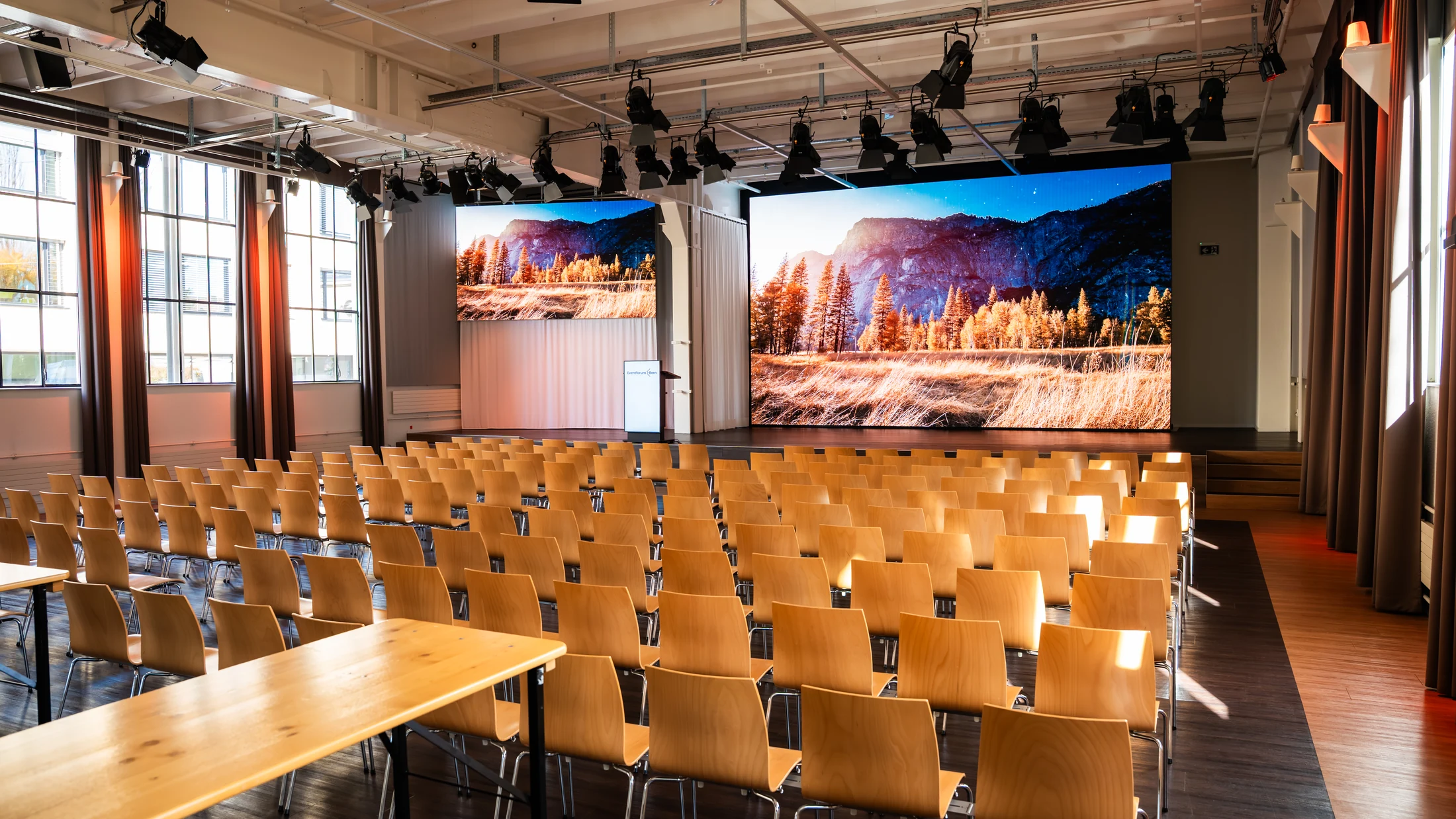
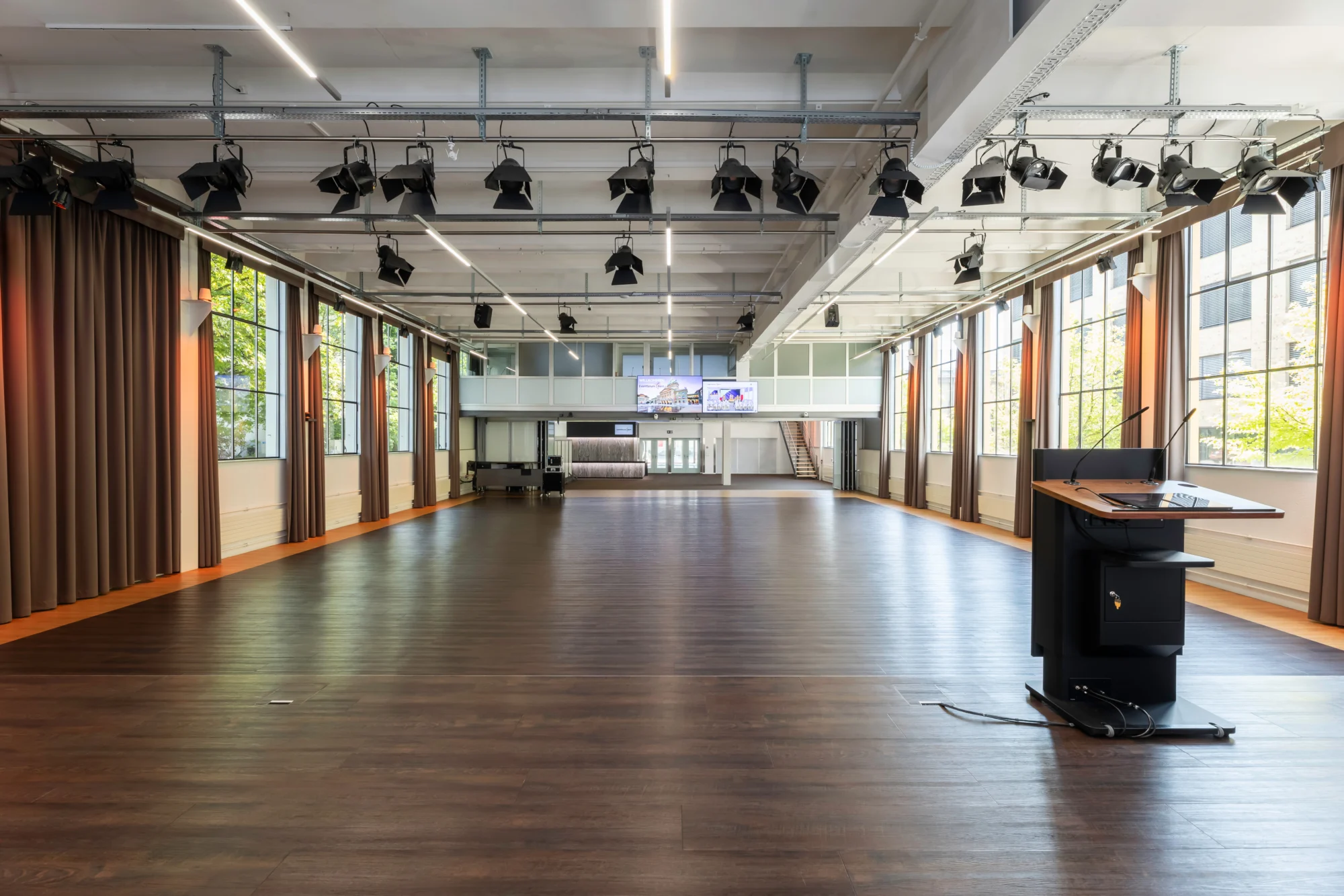
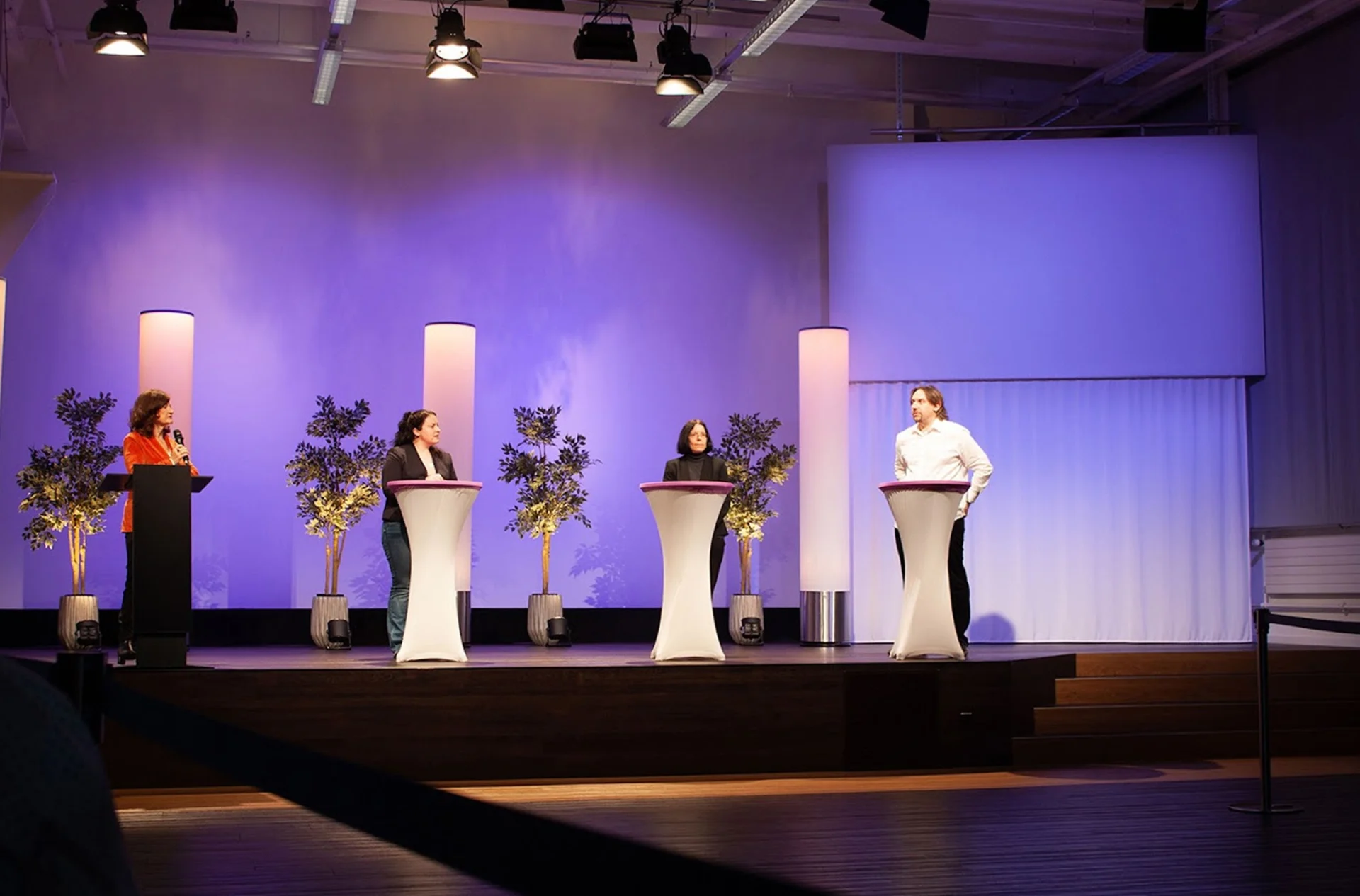
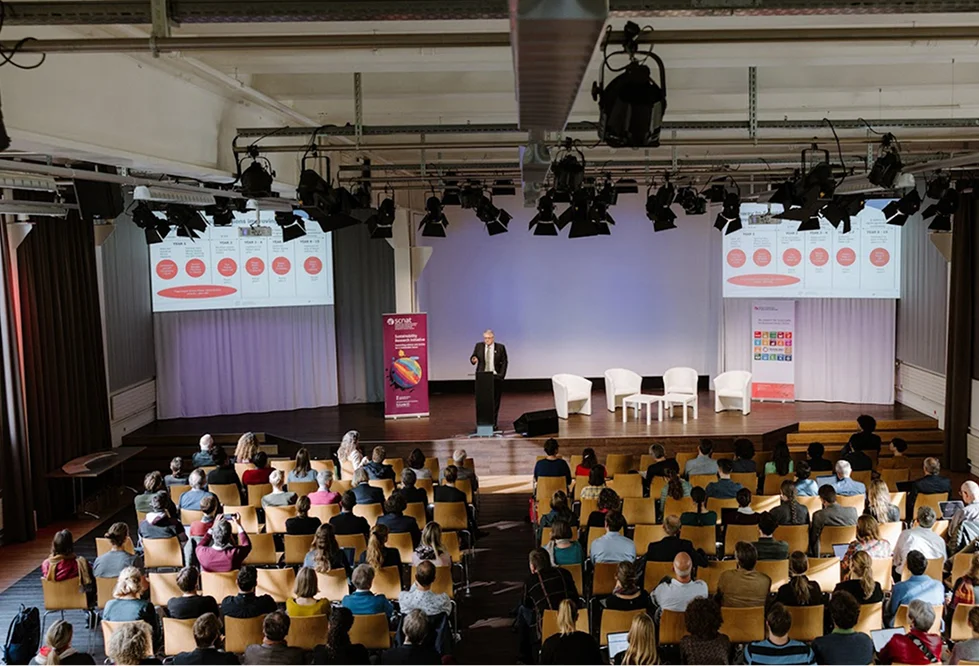
Eventforum Bern hosts general meetings, members’ meetings and delegates’ assemblies of associations and federations. The event hall offers up to 380 seats in theatre style or 136 seats in classroom style. In the directly adjoining foyer you hand out voting cards, and after the meeting a drinks reception (apéro) can follow there. Two 4K LED walls display the agenda and documents. Chairing the meeting, the voting procedure and taking the minutes remain the responsibility of your association. General meetings are also possible on Saturdays.
More on the page General meetings and delegates’ assemblies in Bern. You will receive an individual quote within 12 hours.



Frequently asked questions about the general meeting
What is an absolute majority?
More than half of the votes. According to the wording of the law, unless the articles of association provide otherwise, all members present are counted, including those who abstain (Art. 67 para. 2 CC). With 100 members present, a motion then needs 51 yes votes; with 41 present, 21. Many articles of association count only valid votes; what your articles say is what counts.
Who can request an extraordinary general meeting?
One fifth of the members; the articles of association can lower this threshold. The board must then call the meeting (Art. 64 para. 3 CC). It can also call one on its own initiative, for example for an urgent election.
What does a chair for the day do?
This person chairs the meeting instead of the chair of the association, either entirely or for individual agenda items, and is elected at the start. They often conduct the discharge of the board and the election of the chair, because the chair is personally affected by these items. It can also be someone from outside the association.
Can the general meeting decide on a matter that was not in the notice of meeting?
Only if the articles of association expressly allow it (Art. 67 para. 3 CC). Motions relating to an announced agenda item, on the other hand, can also be made at the meeting. The board can put a new topic on the agenda of the next meeting.
How much notice must be given for a general meeting?
As much as the articles of association require. The Civil Code does not set a notice period. If the articles of association do not specify one, two to three weeks is usual. For a cooperative it is at least five days (Art. 882 CO), for a company limited by shares at least 20 days (Art. 700 CO).
When is a general meeting quorate?
The Civil Code does not require a minimum number of members present. Without a quorum in the articles of association, a properly convened meeting can pass valid resolutions even with only a few members.
More guides
Every agenda item of an ordinary general meeting explained. With a Word template for the notice of meeting and the running order.
What belongs in the minutes, who signs them and how they are approved. With a Word template for general meetings and other meetings.
Articles of association, timeline, notice of meeting and procedure on the day. With a checklist for associations and federations.
Last updated: October 2026. This guide does not replace legal advice; the law and the articles of association are what count.