
Guides · For associations and federations
Organising a delegates’ assembly
Larger associations and federations often do not vote with all their members. They elect delegates who decide at the delegates’ assembly on behalf of their section or cantonal association. For resolutions to be valid and the day to run smoothly, you need clear rules in the articles of association and good preparation. This guide covers the process from choosing the date to the minutes.



What a delegates’ assembly is
The delegates’ assembly takes on the tasks that would otherwise fall to the general meeting. It approves the annual report and annual accounts, elects the board and decides on motions and amendments to the articles of association. The delegates represent the members of their section, cantonal association or member organisation.
Under Swiss association law, the general meeting of members is the supreme body (Art. 64 of the Swiss Civil Code, CC). The law does not mention a delegates’ assembly. The basis is therefore the articles of association. They set out who is delegated, how many votes a section has and which business goes to the delegates’ assembly.
What the articles of association should cover
Where there is no rule, the law applies. Resolutions are then passed by a majority of the votes of the members present (Art. 67 para. 2 CC). Resolutions on business that was not announced may only be passed if the articles of association expressly allow it (Art. 67 para. 3 CC).
A resolution that violates the law or the articles of association can be challenged within one month by a member who did not consent to it (Art. 75 CC). For a specific legal question, it helps to look at your own articles of association or to consult an advisory service for associations.
- how many delegates each section sends, for example according to the number of members
- who elects the delegates and for how long
- whether substitutes are allowed
- how notice is given and with what period
- the deadline for submitting motions
- which majorities apply, for example for amendments to the articles of association
- whether the assembly may be held in hybrid form
Timeline, working back from the day of the assembly
From the date to the minutes: the main steps and how much lead time they need.
9 to 12 months before
Set the date, reserve the room, clarify the budget.
4 to 6 months before
Ask sections to name their delegates, announce the deadline for motions.
2 to 3 months before
Set the programme, talks and guests, discuss technology and catering with the venue.
As set out in the articles, often three to four weeks before
Send the notice of meeting with the agenda and documents.
1 to 2 weeks before
Prepare the attendance list, voting cards and name badges, go through the proceedings with the chair of the meeting.
The day before or that morning
Technical rehearsal with presentations, microphones and voting system.
After the assembly
Draw up the minutes, have them approved and send them to the sections.
Notice of meeting and agenda
The notice of meeting states the date, start time, venue and all business on which decisions are to be taken. Elections, the budget and amendments to the articles of association each go on the agenda as separate items, amendments with their exact wording. Enclose the annual accounts, the auditors’ report and the budget, or make them available online.
You will find a template with notice of meeting, agenda and running order in the guide on the agenda, as a Word file to download.
Agenda: download the template ↗
On the day of the assembly
Six points decide whether the assembly runs smoothly and on a sound legal footing.

Registration
Delegates check in at the reception desk, receive their voting card and documents and are ticked off on the attendance list. Plan enough staff and space at the entrance so that no long queue forms before the start.
Quorum
At the start, the chair of the meeting establishes how many delegates and votes are present. The figure goes into the minutes.
Tellers
They are elected at the start. Large halls need several, ideally one person per seating block.
Speaking from the floor
Anyone who speaks goes to the floor microphone or is handed a wireless microphone. That way everyone hears the contributions, and the minutes can attribute them.
Votes and elections
Open votes with voting cards are the quickest. Secret ballots need ballot papers, ballot boxes and time for counting. An electronic voting system saves time if it has been tested beforehand with all devices.
Minutes
They record at least attendance, motions, voting results and elections. An audio recording helps with checking, provided all participants have been informed beforehand and have agreed. You will find a Word template in the guide Minutes template.
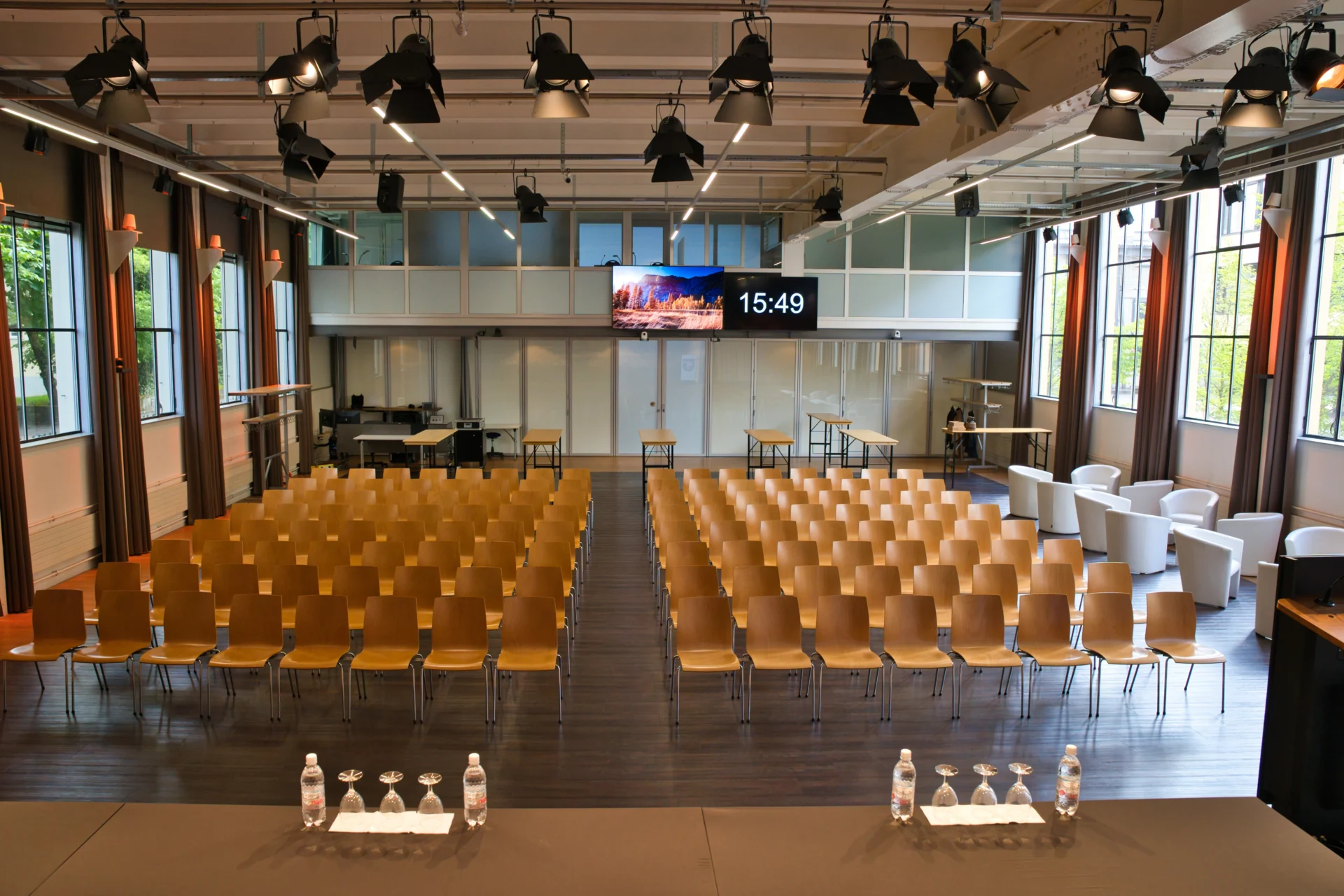
Room and technology
- Theatre style offers the most seats. If delegates need tables for documents or laptops, capacity drops considerably.
- If delegates sit by section, the tellers count faster. Guests have their own rows.
- A podium for the chair and the minute-taker, a lectern for talks and at least two floor microphones for contributions from the floor.
- Project agenda items, motions and results so that they are easy to read, including from the back row.
- For multilingual federations, simultaneous interpreting with booths and receivers, and presentations in both languages.
- A foyer for registration, breaks and the drinks reception, close to the hall.
Checklist for your delegates’ assembly
To tick off during preparation, from checking the articles of association to the drinks reception.
Articles of association checked for number of delegates, deadlines and majorities
Date set and room reserved
Delegates of all sections named
Deadline for motions communicated
Notice of meeting with agenda and documents sent on time
Attendance list, voting cards, ballot papers and name badges ready
Running order drawn up with a time budget per agenda item
Technical rehearsal with presentations, microphones and voting system done
Minute-taker and tellers appointed
Catering and drinks reception ordered
Delegates’ assemblies at Eventforum Bern
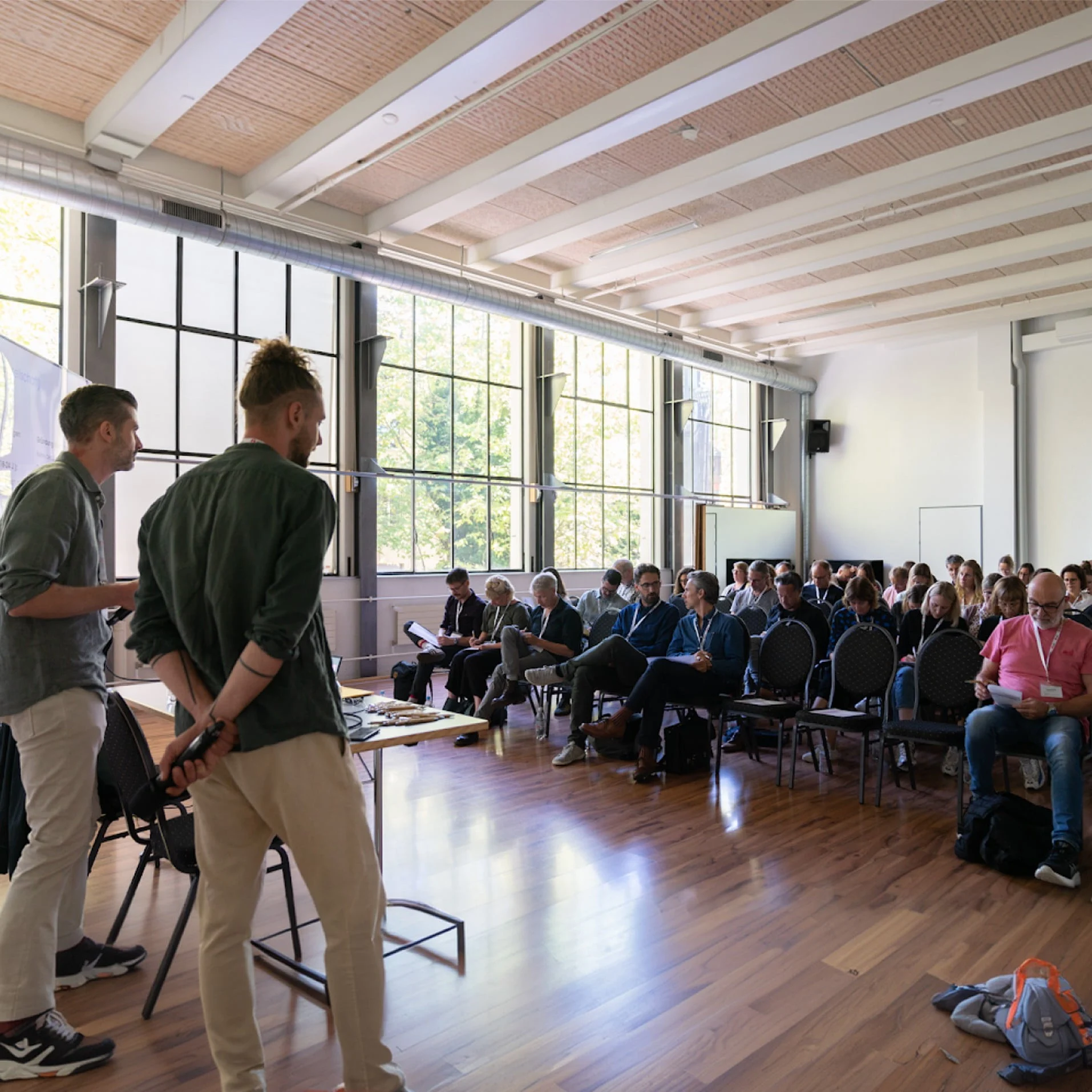
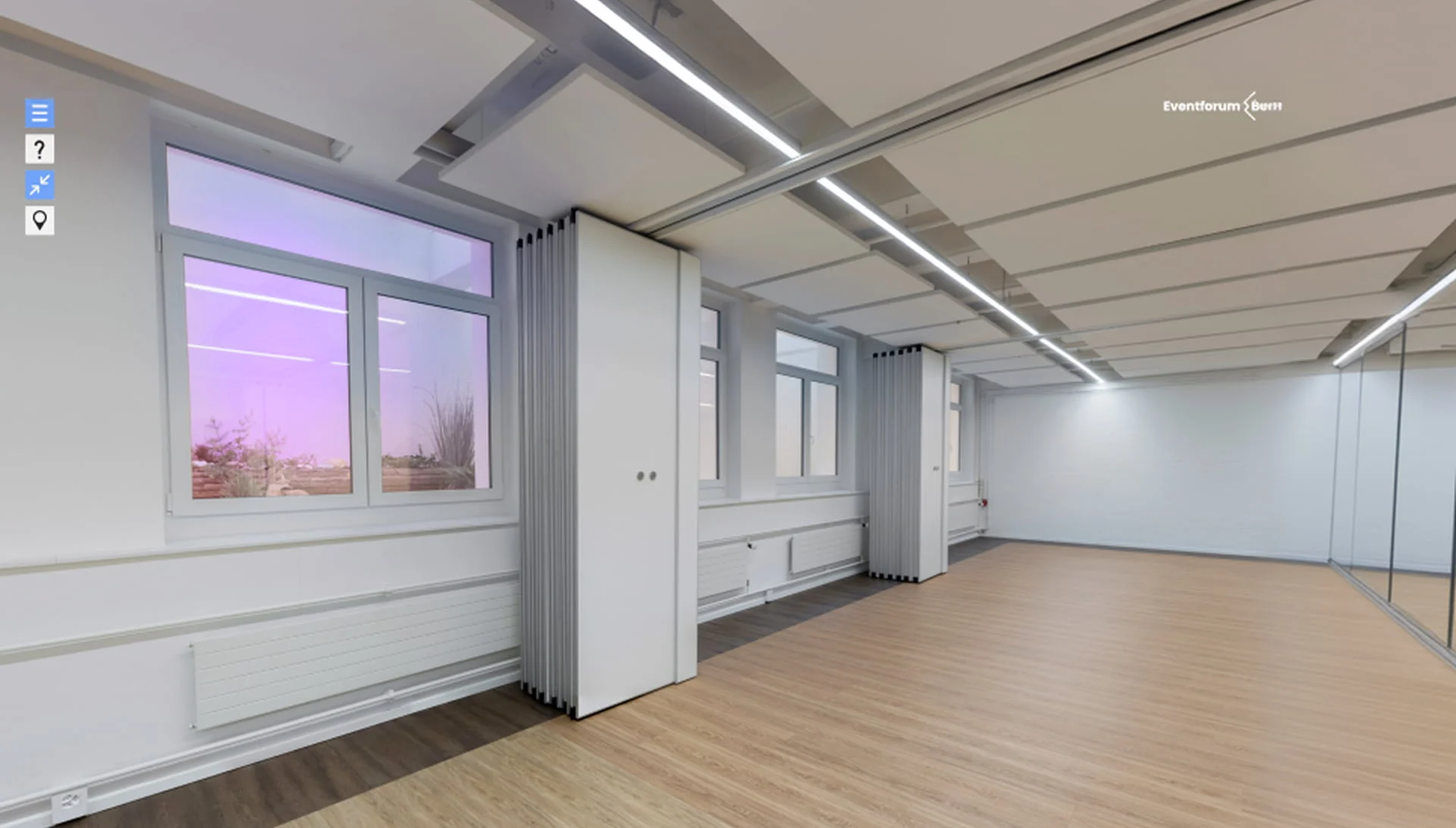
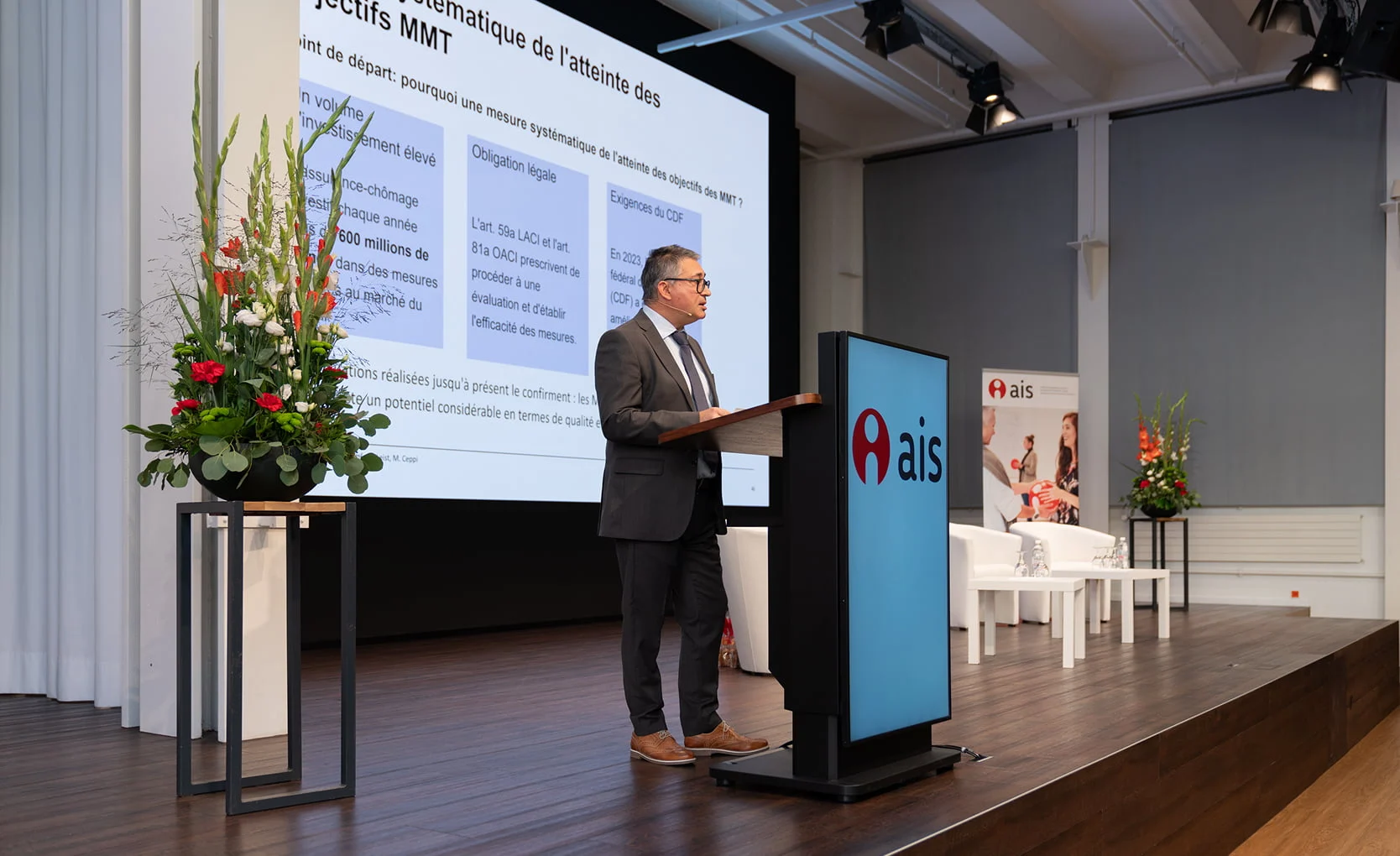
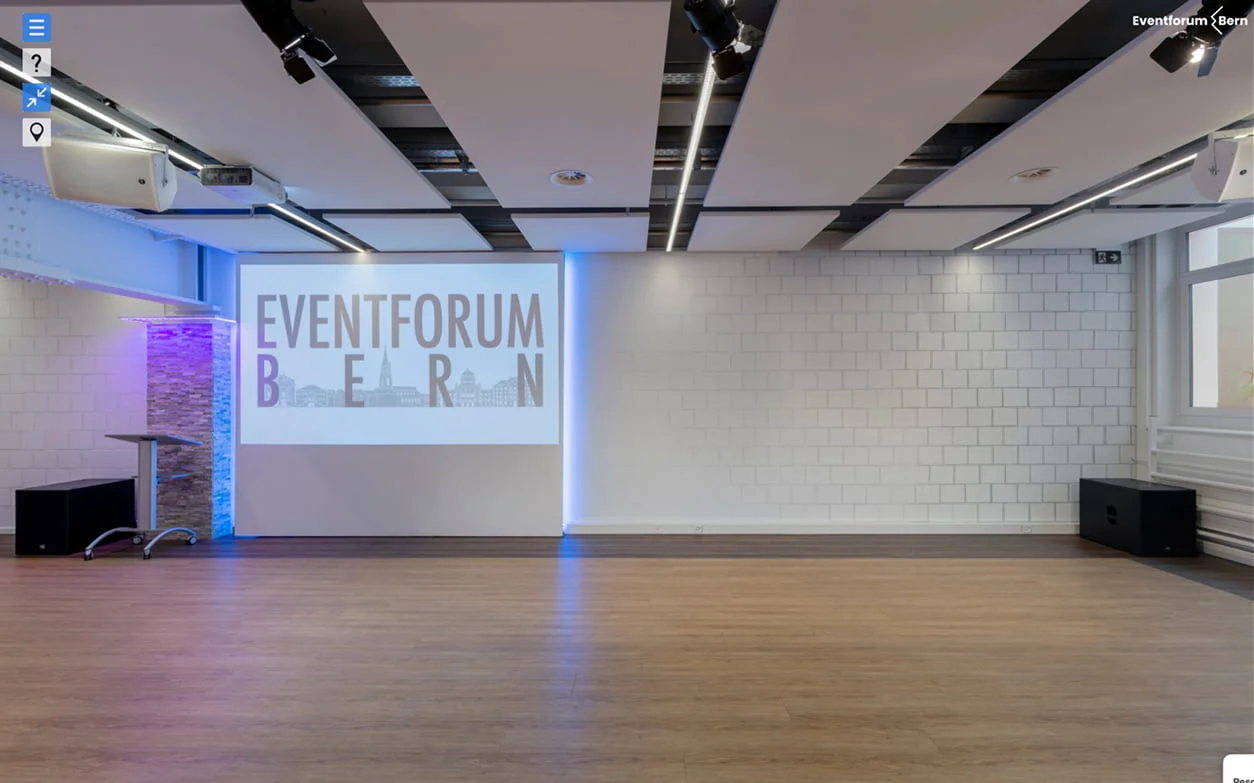
Federations and associations hold their general meetings and delegates’ assemblies at Eventforum Bern. The plenary hall offers up to 380 seats in rows or 136 seats at tables, two 4K LED walls, microphones for contributions from the floor and a permanently installed interpreting system. Registration and the drinks reception take place in the foyer on the same level.
More on the page General meetings and delegates’ assemblies in Bern. You will receive an individual quote within 12 hours.

Frequently asked questions about the delegates’ assembly
How many delegates does a delegates’ assembly need?
This is set out in the articles of association. Often each section sends a base number of delegates plus additional delegates depending on its membership. The allocation should be transparent and settled before the notice of meeting goes out.
Is a minimum number of delegates present required?
Association law does not require one. However, many articles of association set a quorum, for example for amendments to the articles. Establish the quorum at the start and record it in the minutes.
Can a vote be held on business that is not on the agenda?
Only if the articles of association expressly allow it (Art. 67 para. 3 CC). As a rule, therefore, no resolutions are passed under “any other business”.
What is an extraordinary delegates’ assembly?
An assembly outside the regular cycle, for example for urgent elections or an amendment to the articles of association. Who can convene it and with what notice period is set out in the articles. In an association, the board must convene a meeting if one fifth of the members request it (Art. 64 para. 3 CC).
Can a delegates’ assembly be held in hybrid form?
That depends on the articles of association. Technically, you need transmission of sound and image and a procedure for identifying online participants and letting them vote. For companies limited by shares, the Swiss Code of Obligations (CO) has governed hybrid and virtual general meetings since 2023 (Art. 701c et seq. CO).
How long does a delegates’ assembly take?
The statutory part takes one to three hours, depending on the business. With a talk, a break and the drinks reception, you should allow half a day. A time budget per agenda item helps the chair of the meeting stay on schedule.
More guides
All items of an ordinary general meeting explained. With a Word template for the notice of meeting and running order.
Theatre, classroom, banquet and U-shape seating. What they suit, how much space they need and what fire safety requires.
Timeline, venue, programme, technology and languages. With a checklist for companies, federations and public authorities.
Last updated: October 2026. This guide does not replace legal advice; the law and the articles of association are what count.