
Guides · For companies, federations and public authorities
Planning a conference or congress
A conference or congress for 80 to 250 people needs several months of lead time. Good dates and rooms are booked early, speakers plan far ahead, and the invitation has to reach people’s calendars in time. This guide shows when to start with what, what matters for the venue, programme, technology and languages, and what to do on the day itself and afterwards.
Timeline: when to start with what
These figures are guidelines. The more days, languages and speakers, the earlier you should start.
| Step | Conference, one day, 80 to 250 people | Congress over several days |
|---|---|---|
| Set the objective, budget and date, reserve the venue | 6 to 12 months before | 12 to 18 months before |
| Draft the programme, approach speakers | 4 to 6 months before | 9 to 12 months before |
| Reserve hotel rooms for guests | if needed, 3 to 6 months before | 9 to 12 months before |
| Send the save the date | 3 to 6 months before | 6 to 12 months before |
| Send the invitation, open registration | 2 to 3 months before | 4 to 6 months before |
| Confirm technology, interpreting and catering | 6 to 8 weeks before | 2 to 3 months before |
| Collect presentations, finalise the running order | 1 to 2 weeks before | 2 to 4 weeks before |
| Technical rehearsal | the day before or that morning | on the set-up day |
| Send thanks, survey and materials | in the following week | in the following week |
Popular dates in spring and autumn are often booked early. Enquire early, even if the programme is still open.
Objective and target audience
Before you look for a venue, write down what the event should achieve. A specialist conference passes on knowledge, a federation congress takes decisions and maintains the network, a management conference aligns the leadership on shared goals. The programme, duration and room requirements follow from this.
Estimate the number of participants as a range and note who is coming, for example members, specialists, guests from politics and public administration or participants from other language regions. Clarify early who approves the budget and programme. The executive board, the specialist department and communications often have a say.
Choosing the date and venue
When choosing the date, check school holidays, public holidays and other events in your sector. For federations and public administrations in Bern, it is also worth looking at the sessions of the Federal Parliament.
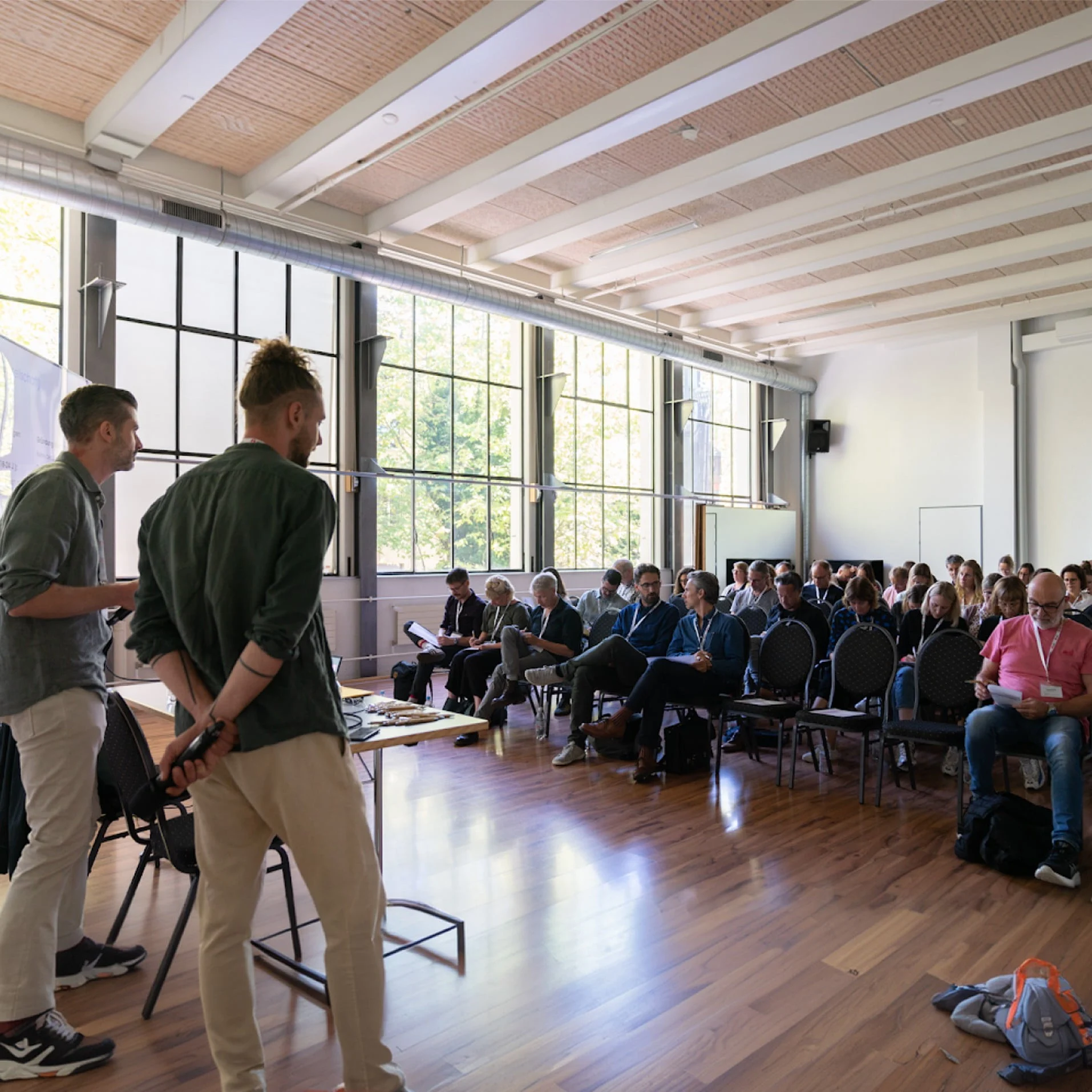
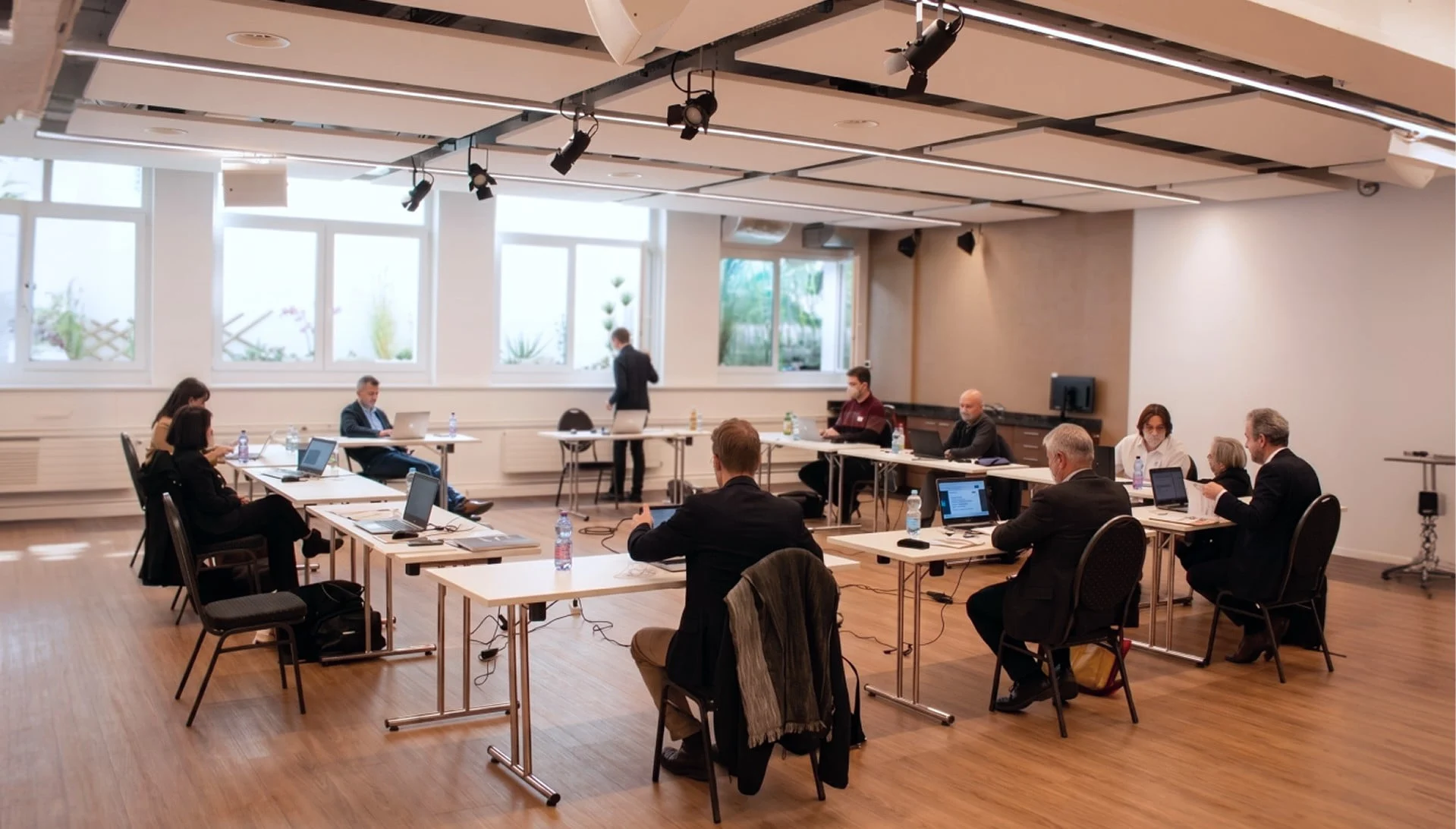
- Capacity per seating arrangement. Rows seat two to three times as many people as tables. Ask for the figure for the seating arrangement your programme needs.
- Rooms for group work. If workshops run in parallel, you need breakout rooms close to the plenary.
- Foyer. Reception, breaks, drinks reception and exhibition need space directly next to the hall.
- Technology on site. Presentation, microphones, livestream and interpreting system, with support during the event.
- Catering. Catering in the building or right next door saves time at lunch.
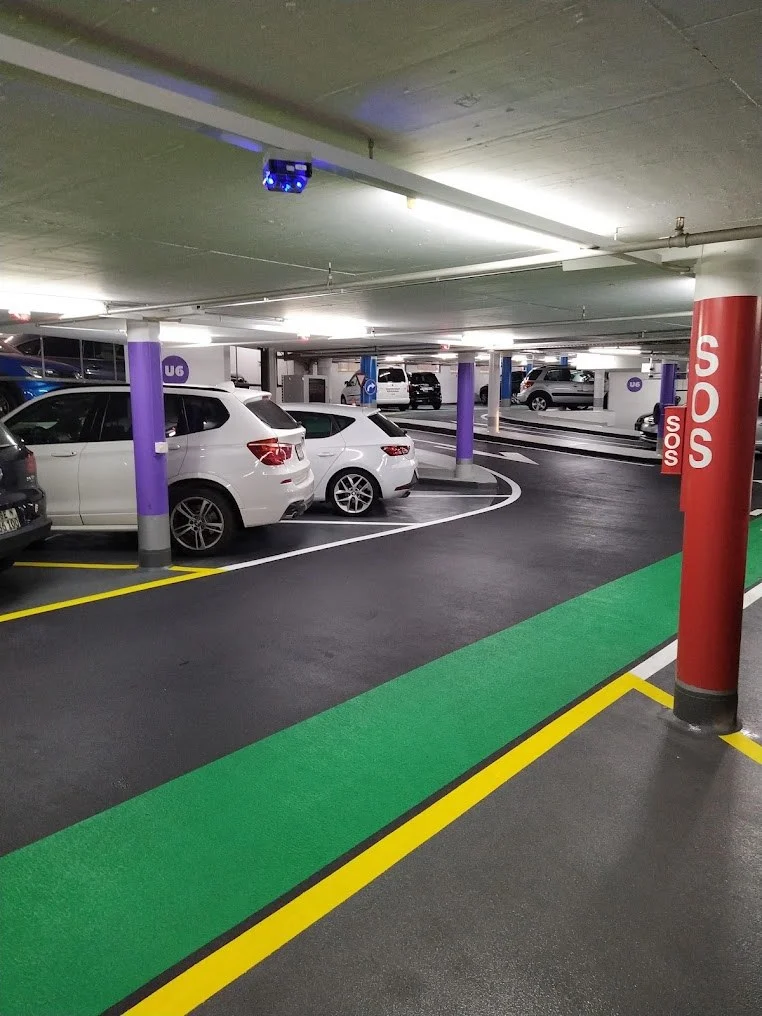
- Accessibility. Public transport, car parks, step-free access, lift and wheelchair-accessible toilets.
- Set-up and dismantling. When you can access the rooms and whether everything can stay in place over several days.
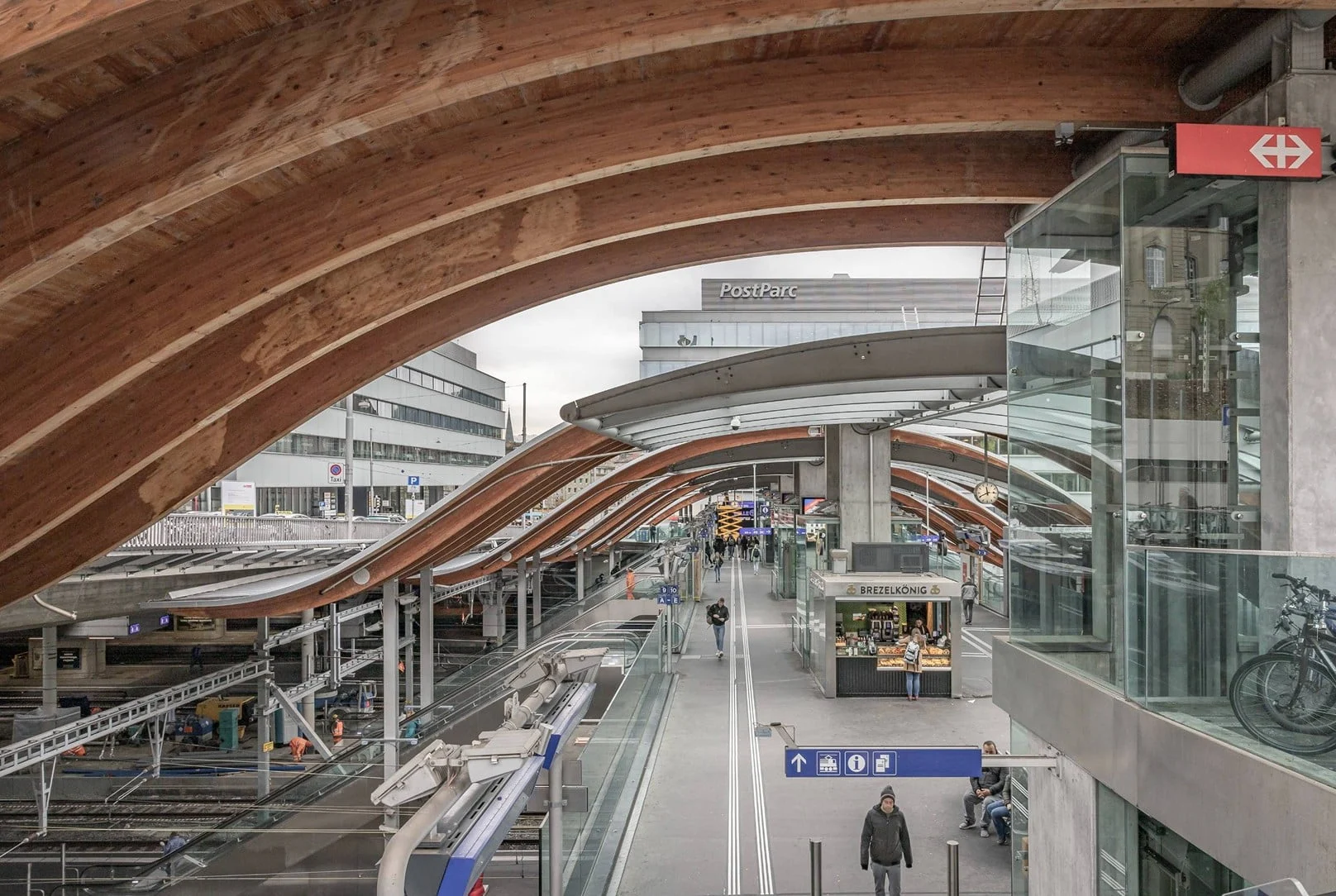
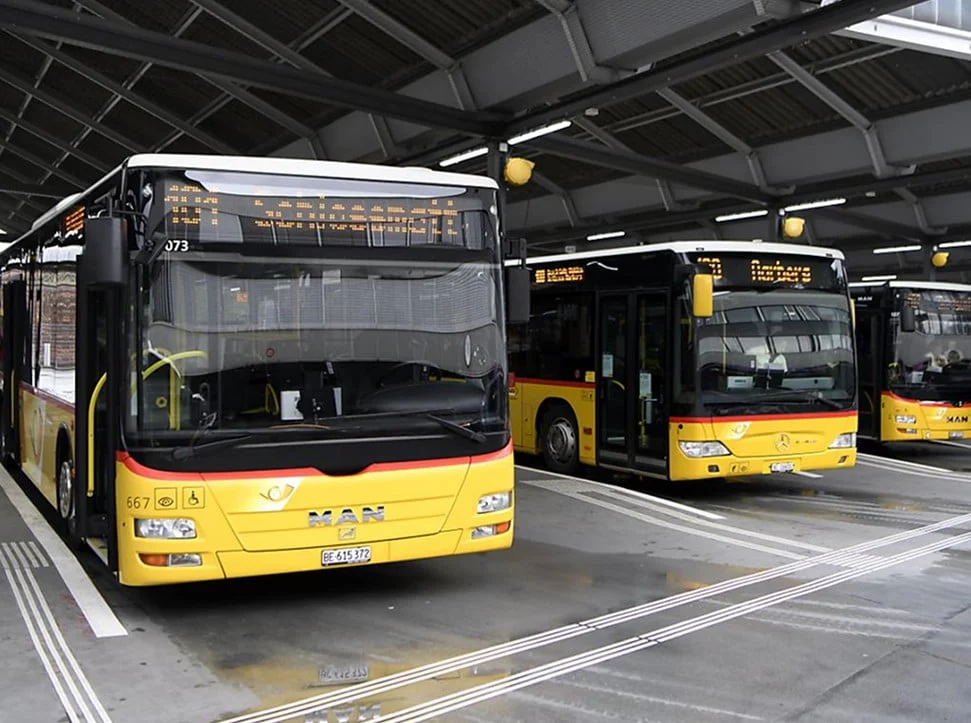
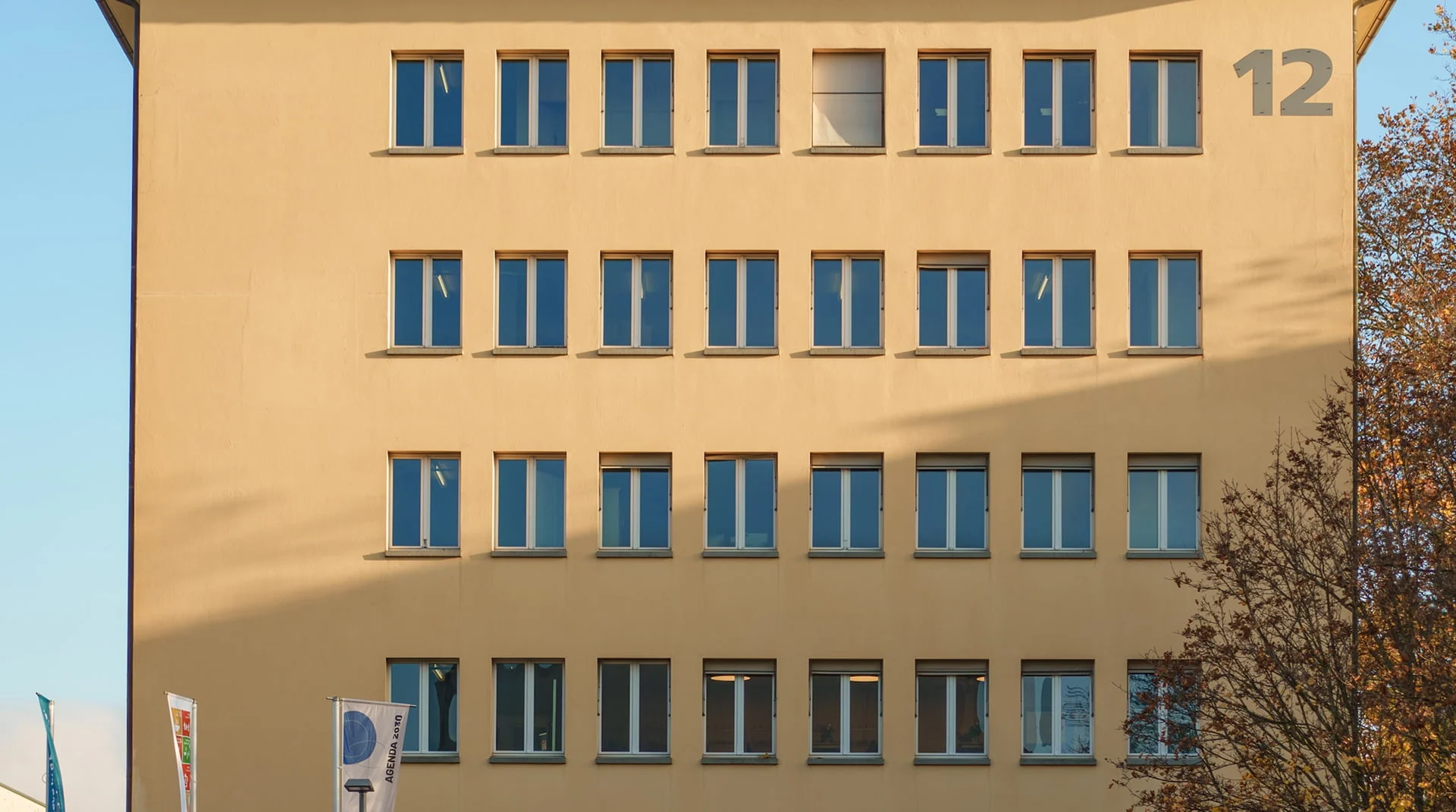
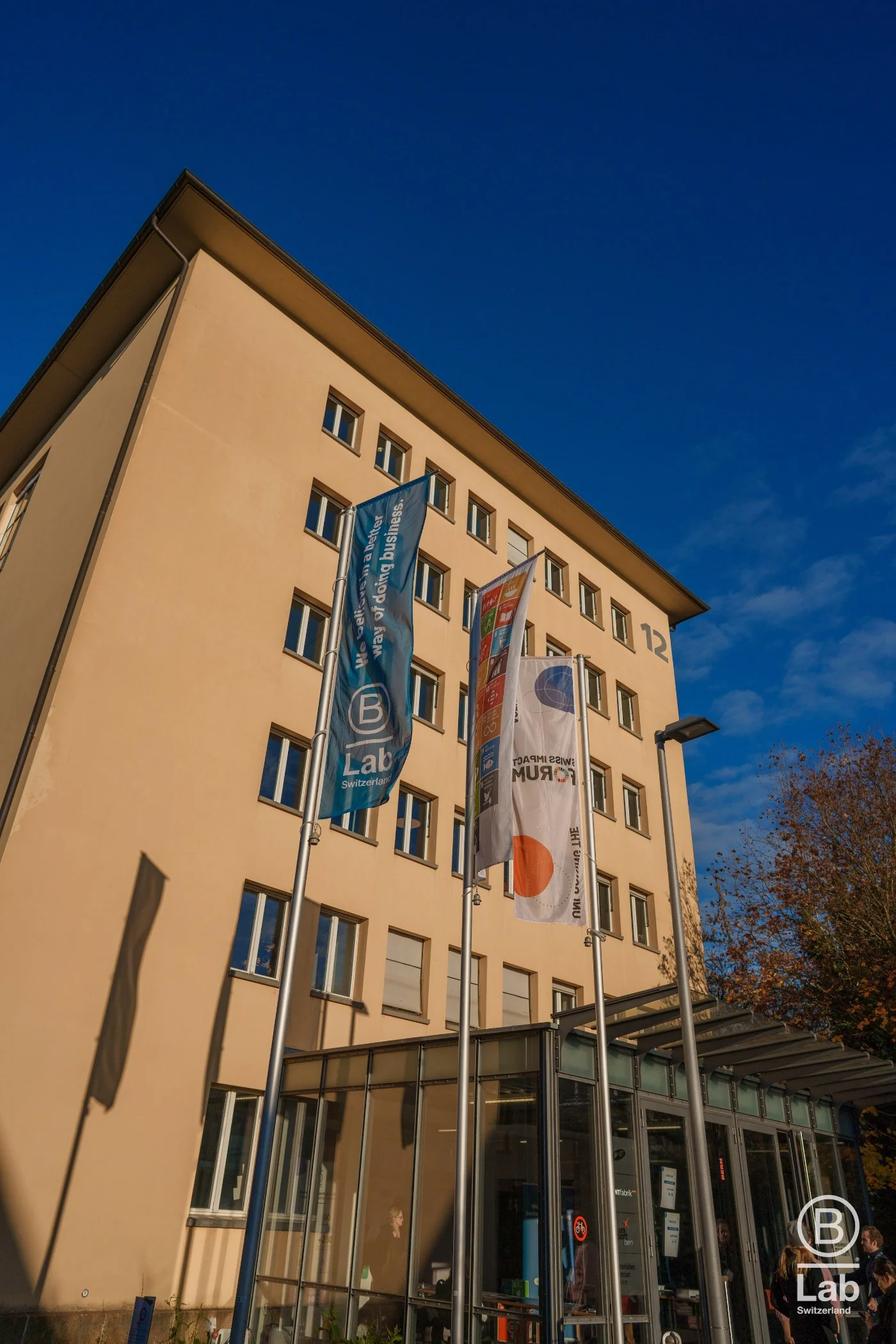
At Eventforum Bern, the plenary hall offers up to 380 seats in rows or 136 seats at tables. The foyer is on the same level, and five workshop rooms on the lower level can be reached by lift and stairs. From Bern railway station, PostBus line 101 runs to the Güterbahnhof stop.
See seating styles and space requirements ↗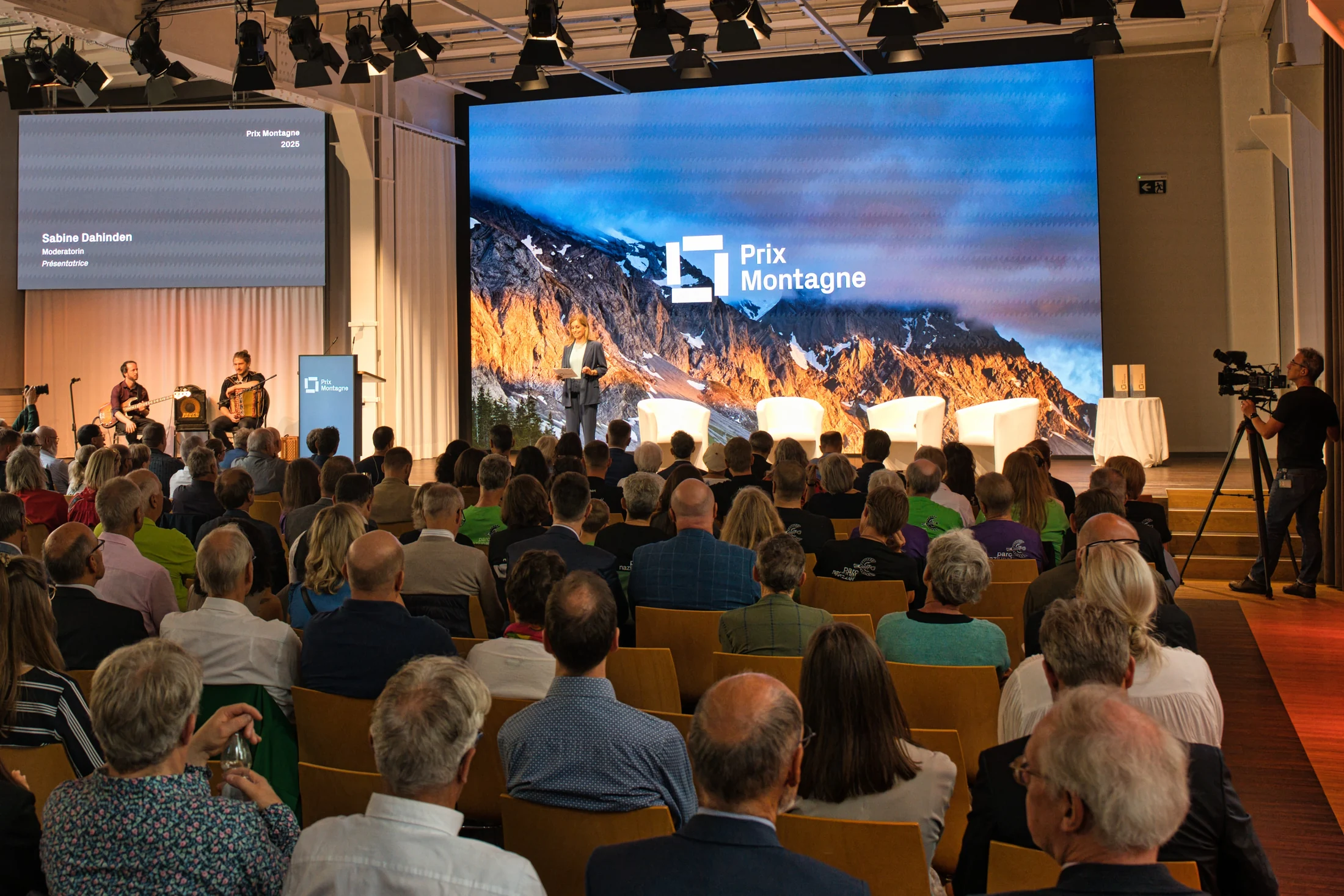
A programme with breaks and buffers
After 60 to 90 minutes, people need a break. This is how much time to allow for it.
20 to 30 minutes
Coffee break, so that all 200 people are served and there is time for conversation.
45 to 60 minutes
Lunch break with catering on site.
5 to 10 minutes
For every move between the plenary and the breakout rooms.
After the last programme item
A drinks reception gives time for conversation.
Over several days
On the first evening, often a shared dinner or a guided tour of Bern’s old town. Ask at registration who will take part.
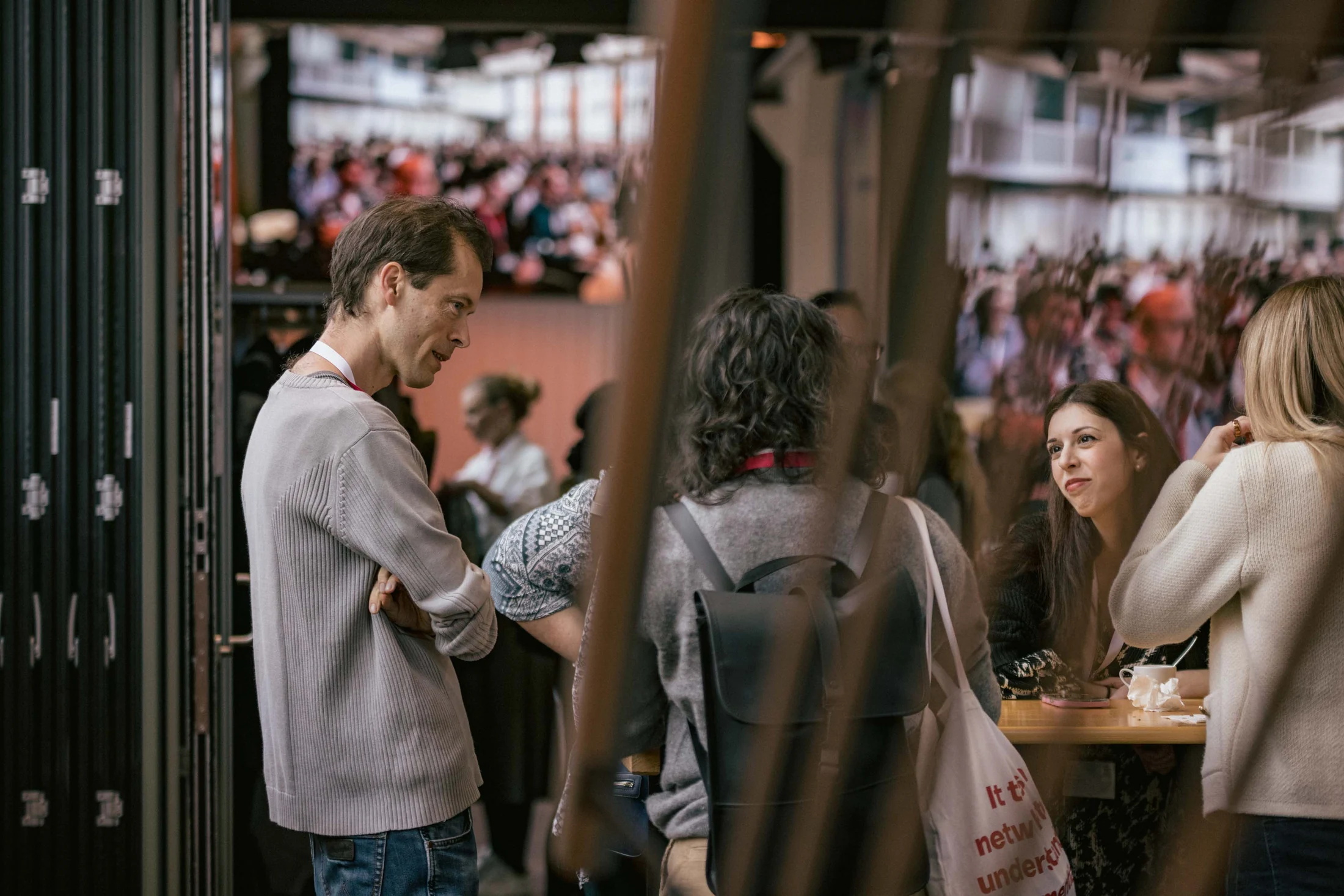
Networking and catering
Conversations happen during breaks when there is space and time. High tables and easy-to-read name badges help.
At Eventforum Bern, coffee, lunch buffet and drinks reception are served in the foyer. The catering comes from the catering partner ZFV right next door.
Catering at conferences ↗Speakers and moderation
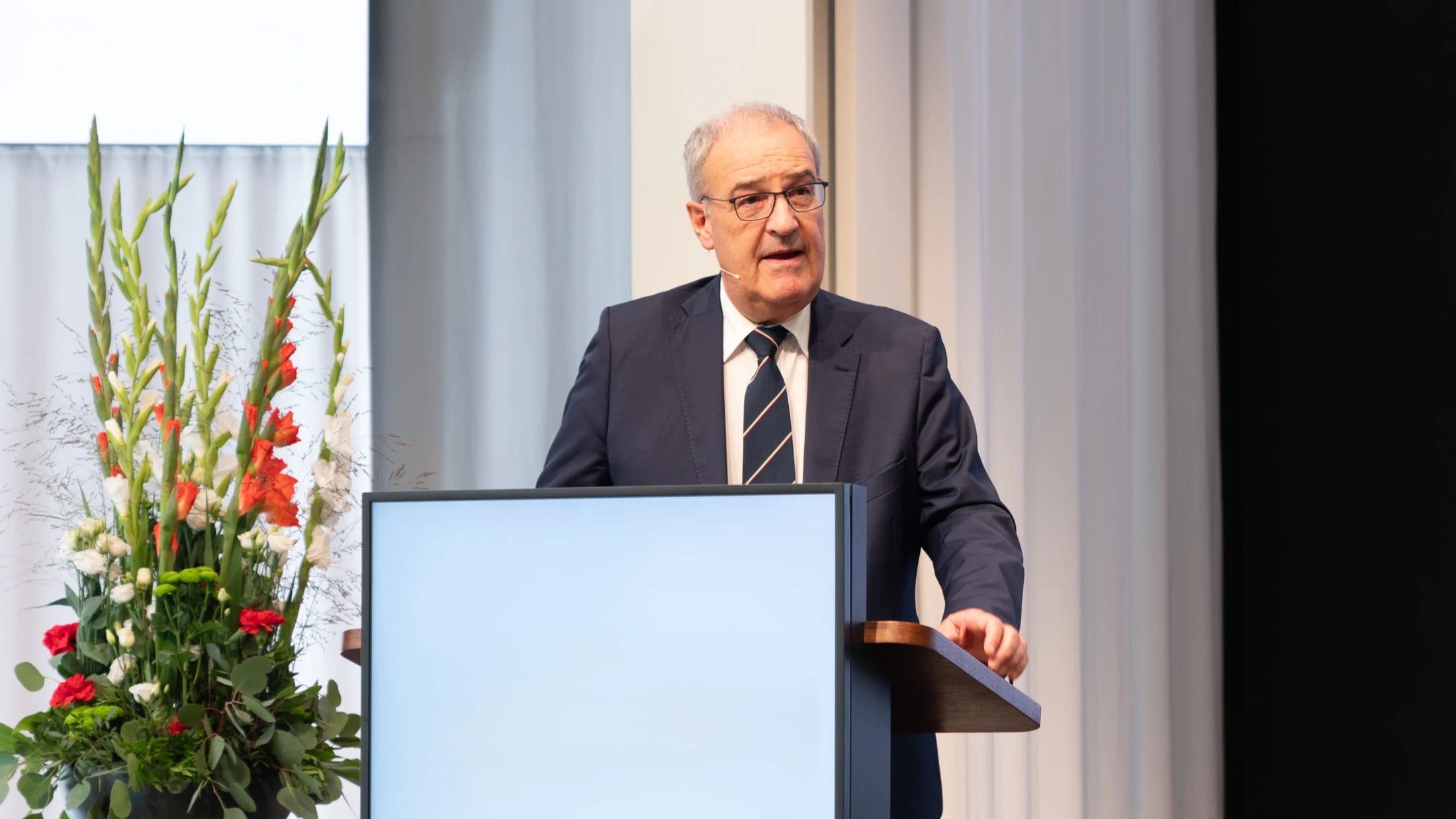
Approach speakers early and send them a short briefing with target audience, topic, speaking time and format. Set a deadline for the presentation and ask about their technical needs, such as a headset, a handheld microphone or their own videos. Clarify fees, expenses and travel, as well as consent if you record or stream.
The moderator guides the day, keeps an eye on the time and takes questions from the room and from online. If sessions run in parallel, each room needs someone to lead the session.
Technology, hybrid and livestream
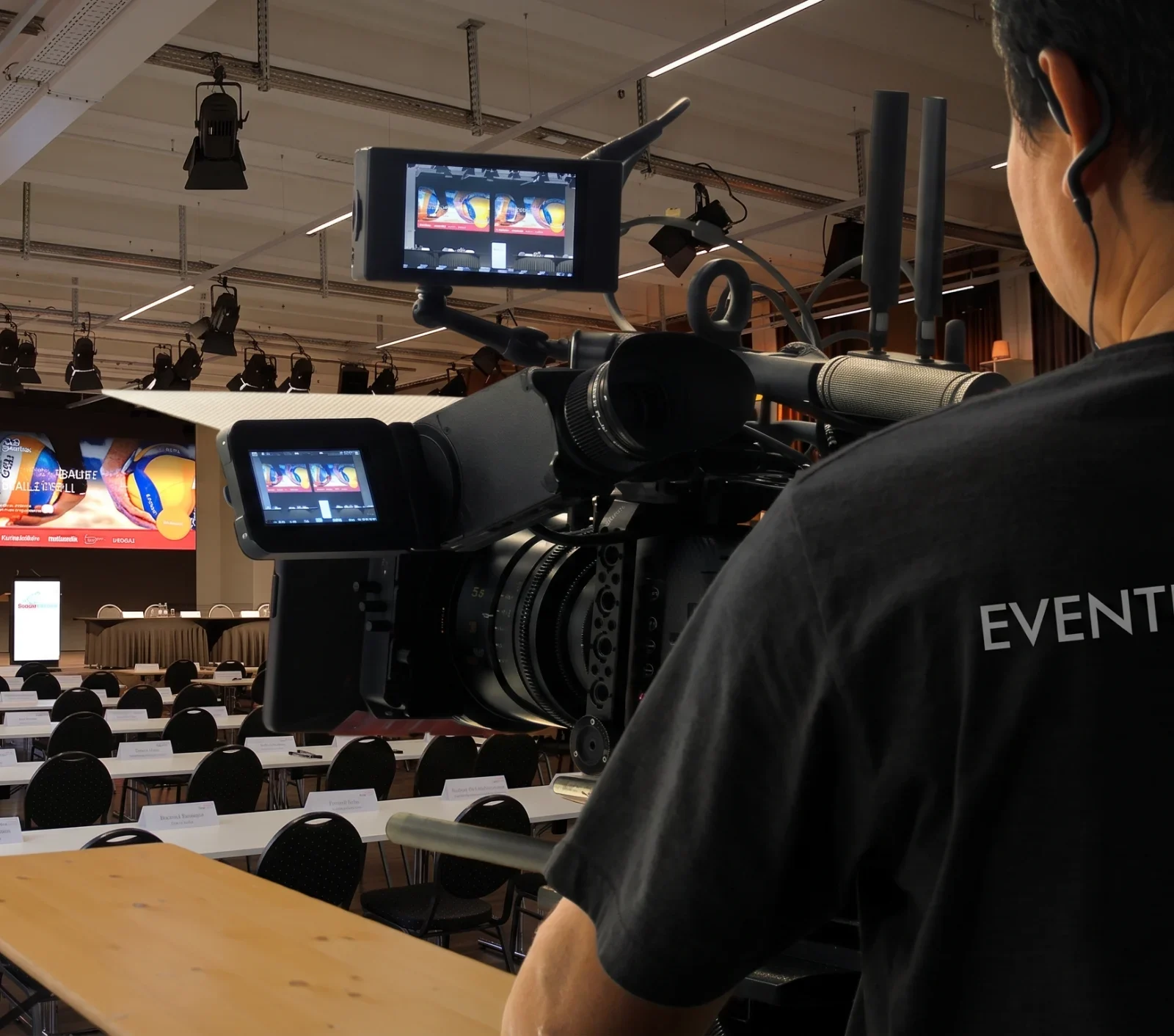
Decide whether all presentations run from one laptop or whether speakers connect their own devices. A central laptop saves time at changeovers. Decide early whether the event will be hybrid or only streamed. At a hybrid conference, online participants take part in the discussion; with a livestream, they watch. For questions from online, you need someone to collect them and bring them into the room.
At Eventforum Bern, two 4K LED walls, cameras and the livestream infrastructure are permanently installed, with dedicated bandwidth for the broadcast. Speakers can join remotely via Microsoft Teams or Zoom. The technical team is on site during set-up, rehearsal and the event.
Hybrid & livestreaming ↗Interpreting at multilingual conferences
For each programme item, decide which language will be spoken, which languages it will be interpreted into and which language the slides will be in. Simultaneous interpreting needs booths, a system with receivers and a team of interpreters. For longer assignments, interpreters usually work in pairs for each language. Book the team early and send them the programme, presentations and a list of names and technical terms.
At Eventforum Bern, interpreting booths with Televic technology are permanently installed, and the system supports up to four languages. You organise the team of interpreters yourself. For talks in standard German, English or French, there is also PONTAVOX AI interpreting.
AI interpreting with PONTAVOX ↗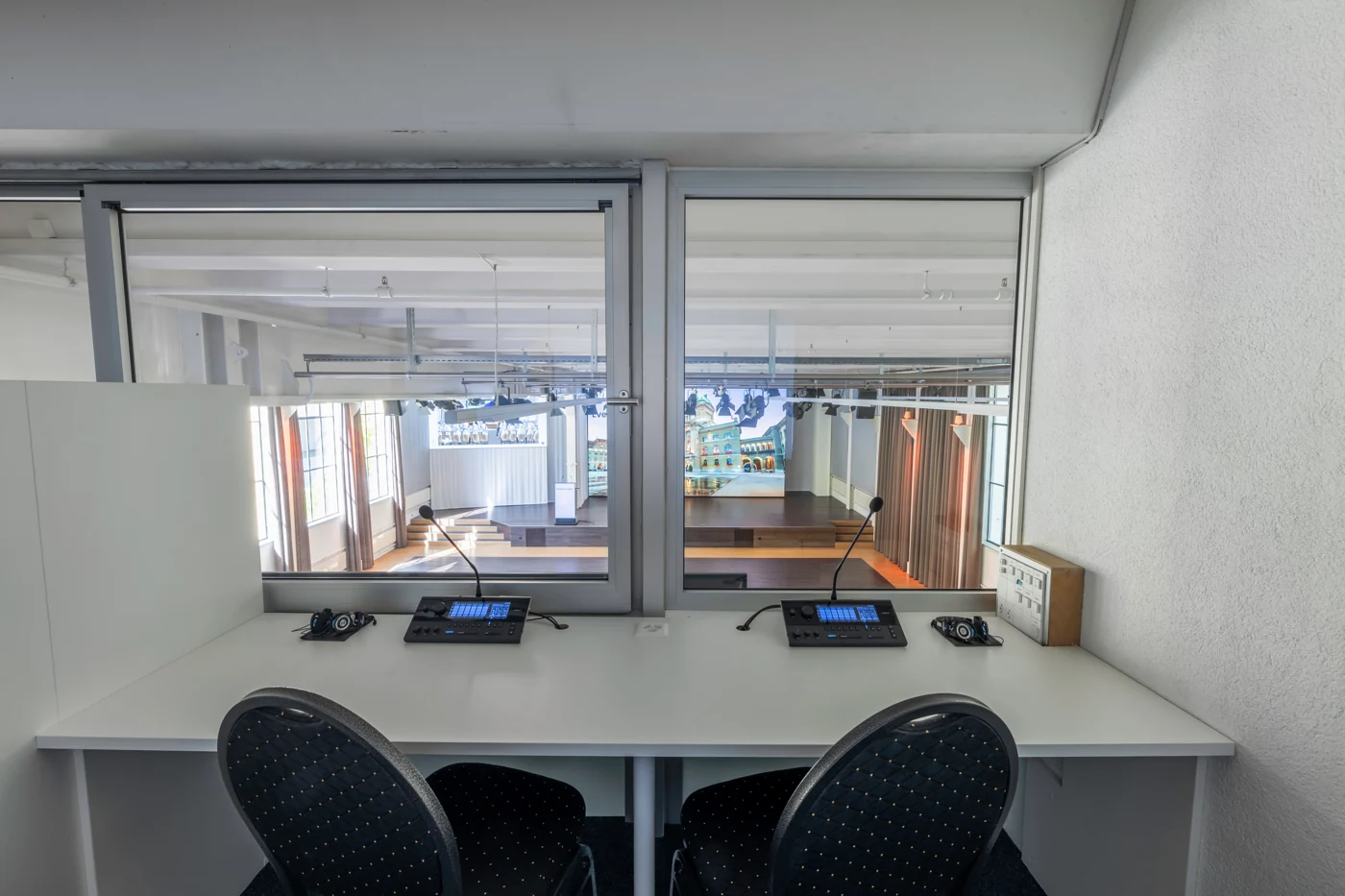
Invitation and registration
A save the date secures the date. The invitation follows with programme, venue, travel information, registration deadline and any fees. In the registration form, ask for what you need for planning.
Send a reminder with programme and travel information a few days before. Not everyone who registers will attend, usually more so at free events than at paid ones. Agree with the venue and caterer by when you can adjust the numbers.
- Name, organisation and position for name badges and the participant list
- Attendance on site or online
- Choice of workshops or sessions
- Language, if there is interpreting
- Dietary requirements and intolerances
- Need for step-free access or other support
On the day
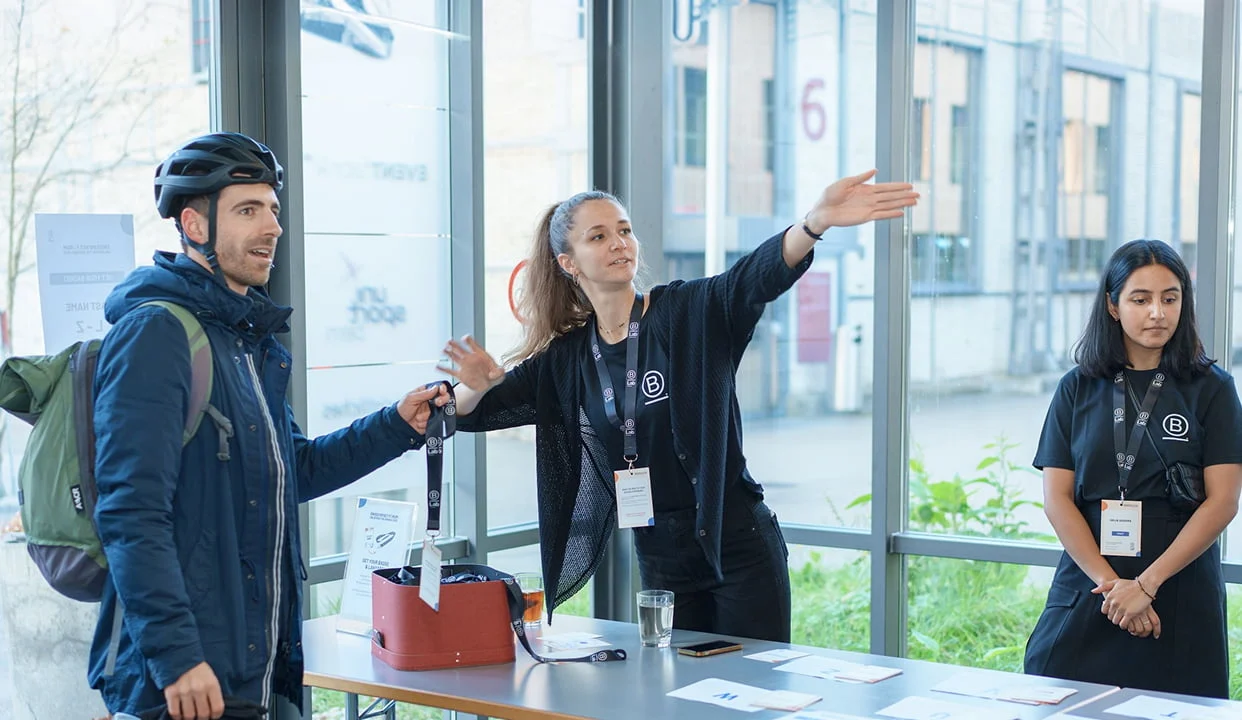
A running order sets out the time, room, person in charge and technology for each programme item. Give everyone involved the same version and assign the roles in advance.
Overall lead
This person decides when something departs from the plan and can be reached by everyone.
Reception and registration
Name badges, participant list and enough staff at the entrance, so that no long queue forms before the start.
Speakers and moderation
One person accompanies the speakers to the technical rehearsal and to their slot; at hybrid events, someone also moderates for the online participants.
Technology, catering and venue
One contact person stays in touch with technology, catering and the venue and reports changes to the running order.
Plan B
Think in advance about what happens if a speaker drops out, a train is delayed or a presentation does not start. A copy of all presentations on a USB stick, a short back-up programme and a list of phone numbers help in many cases.
Several days and after the event
For events over several days at Eventforum Bern, technology, seating and materials stay in place overnight, and there is a storage room for boxes, roll-ups and documents. Morning access times are agreed for each event. More on the page Conferences and congresses over several days.
Thank speakers and participants in the first few days after the event. A short survey with five to eight questions gets more responses than a long questionnaire. Make presentations and the recording available, provided the speakers have agreed. In a short debrief, note what went well and what you will change. That is where planning for next time begins.
Checklist for your conference
To tick off during preparation, from the objective to the thank-you after the event.
Objective, target audience and budget set
Date checked and venue reserved
Programme with breaks and buffers drawn up
Speakers confirmed and briefed
Save the date and invitation sent
Registration set up with sessions, language and dietary requirements
Technology, livestream and interpreting system agreed with the venue
Interpreting team booked and supplied with materials
Catering and drinks reception ordered, final numbers confirmed
Accommodation arranged for events over several days
Running order drawn up, roles assigned, Plan B discussed
Technical rehearsal done
Thanks, survey and materials sent after the event
Conferences and congresses at Eventforum Bern
Federations, public authorities and companies hold their conferences and congresses at Eventforum Bern. The plenary hall, foyer and workshop rooms are in the same building, and no other event takes place during yours.
Send the date, number of people and programme via the booking enquiry. You will receive an individual quote within 12 hours.
Frequently asked questions on conference planning
How far in advance should you plan a conference?
For a one-day conference with 80 to 250 people, 6 to 12 months is a good lead time; for a congress over several days, 12 to 18 months. Popular dates in spring and autumn are often booked early.
What is the difference between a conference and a congress?
The terms overlap. In German, a Tagung usually covers a specialist topic over one or two days. A congress is larger, often lasts several days and has parallel sessions. A Konferenz is a meeting of experts or decision-makers with discussion; in English, “conference” is used for all of these.
What is part of a conference’s supporting programme?
Usually a drinks reception after the last programme item, and for a congress over several days also an evening programme such as a shared dinner or a guided tour. Plan it so that participants are well rested the next morning.
Does a congress need a professional congress organiser?
Not necessarily. With a clear timeline and assigned roles, a small team can also organise a conference. A professional congress organiser takes the load off when there are many speakers, hotel allocations, an exhibition or participation fees to manage.
More guides
Theatre, classroom, banquet and U-shape seating. What they suit, how much space they need and what fire safety requires.
Articles of association, timeline, notice of meeting and the order of proceedings on the day. With a checklist for associations and federations.
All items of an ordinary general meeting explained. With a Word template for the notice of meeting and running order.
Last updated: October 2026. The timings are guidelines from planning practice; the programme and date of your event are what count.